Neighborhoods & Identities
Relocating to a new city is rarely just about finding a place to sleep; it is about finding a place to belong. This is especially true in a sprawling metropolis like New York City, where the sheer density of cultures, languages, and lifestyles transforms the urban landscape into a complex mosaic. Choosing the right neighborhood directly dictates your daily routine, your community, and your overall well-being. It is the crucial first step in building a new life and establishing a new identity.
Understanding the interplay between neighborhoods and identities requires looking beyond the glossy tourist brochures. It means evaluating practical factors like commute times and school districts, while simultaneously navigating the emotional challenges of immigration, cultural preservation, and community building. This comprehensive overview explores the foundational elements of settling into diverse urban environments, offering practical frameworks to help you make informed decisions about where to live and how to connect with your surroundings.
Choosing the Right NYC Borough for Your Lifestyle
Deciding where to unpack your bags requires a structured decision framework for relocation. The classic debate often centers on Manhattan versus the outer boroughs, but the reality is far more nuanced. Each borough functions as a distinct city with its own rhythm, economic realities, and demographic shifts.
Prioritizing Commute, Quiet, and Space
Many newcomers instinctively gravitate toward the center of the action, assuming that proximity equals convenience. However, urban living often involves unexpected trade-offs. For example, a 20-minute commute from Queens often beats a 15-minute walk in Midtown. Why? Because the outer boroughs frequently offer larger living spaces, stronger community bonds, and a crucial respite from the sensory overload of the commercial districts.
Finding the quiet neighborhoods of NYC—where you can sleep without earplugs—is a priority for long-term residents. Noise pollution severely impacts health, making the leafy, residential blocks of Queens or the deeper pockets of Brooklyn highly desirable for those seeking a sustainable urban lifestyle.
Family Needs and Education Dynamics
When families relocate, the criteria shift dramatically from nightlife and proximity to public transportation to safety and educational infrastructure. The ongoing comparison of Brooklyn vs. Queens regarding which borough offers better public schools for young kids highlights a significant dilemma. Queens often boasts highly rated, diverse school districts with robust bilingual programs, while certain Brooklyn neighborhoods offer progressive, community-led educational initiatives. Evaluating these options requires understanding your family’s specific developmental needs.
To make a balanced relocation decision, consider this essential checklist:
- Daily Commute Tolerance: Calculate door-to-door transit time rather than geographic distance.
- Acoustic Environment: Visit the neighborhood at night to gauge true noise levels.
- Educational Priorities: Research local school zones and extracurricular community programs.
- Budget Flexibility: Account for hidden costs like higher grocery prices in gentrified areas.
Spotting Gentrification and Budget Constraints
Urban landscapes are constantly evolving, and a neighborhood that is affordable today may not remain so. Recognizing the signs a neighborhood is about to become too expensive for you is vital for long-term financial stability. Look for rapid shifts in local commerce—such as long-standing family businesses being replaced by high-end boutiques—or sudden spikes in corporate real estate investments. When Brooklyn neighborhoods become financially inaccessible, many residents choose the Bronx for its authentic community vibes, preserving a sense of genuine neighborly connection that heavily gentrified areas often lose.
Building a Support System as a Newcomer
Establishing a physical residence is only half the battle; the true challenge lies in emotional and social integration. For newcomers and immigrants, building a robust support network is the cornerstone of a successful transition, preventing isolation and fostering a sense of belonging.
Surviving the Lonely Immigrant Phase
Psychologists and sociologists often observe a predictable emotional trajectory for those relocating to a new country. The initial excitement eventually fades, giving way to the notorious “lonelyimmigrant” phase that typically hits at the 6-month mark. This period is characterized by cultural fatigue and homesickness. Beating this phase requires proactive engagement: establishing routines, seeking out local community centers, and acknowledging that cultural adaptation is a marathon, not a sprint.
Expanding Beyond Your Diaspora
While finding comfort in familiar cultural enclaves is a natural first step, relying exclusively on them can hinder long-term integration. The mistake of only networking within your diaspora can limit your professional opportunities and restrict your understanding of the broader civic culture. Learning how new immigrants build support networks outside their ethnic enclaves is crucial for holistic integration.
Navigating these new networks often brings personal challenges, such as dating outside your culture and handling family expectations. Balancing respect for heritage with the desire for intercultural connection requires open communication and boundary-setting.
To successfully expand your social and professional circles, follow these sequential steps:
- Engage deeply with your immediate cultural enclave to build initial confidence and a safety net.
- Identify shared-interest groups (like sports leagues or professional associations) that naturally mix diverse demographics.
- Volunteer for local civic or neighborhood organizations to meet established residents.
- Actively participate in cross-cultural community events to broaden your perspective.
Utilizing Free Essential Resources
Integration also means knowing your rights and accessing available civic tools. Local institutions often serve as the first line of support. For non-native speakers, knowing how to practice English for free at NYC public libraries—which often host conversation groups and literacy programs—is invaluable. Furthermore, housing security is paramount. Understanding where to find free legal aid for housing disputes as a non-citizen empowers vulnerable populations to protect themselves against predatory landlord practices and illegal evictions.
Preserving and Experiencing Authentic Cultural Identities
As neighborhoods evolve, the preservation of authentic cultural identity becomes a fierce battle against commercialization. Exploring these cultural enclaves offers a masterclass in history, resilience, and culinary tradition.
The Real Italian Soul: Arthur Avenue vs. Mulberry Street
The Italian-American experience provides a perfect lens through which to examine neighborhood transformation. For decades, the debate over where the real Italian soul of New York resides has pitted Arthur Avenue in the Bronx against Mulberry Street in Manhattan. Understanding how Little Italy shrank to three blocks is a lesson in real estate economics and demographic shifts. While Manhattan’s Little Italy has largely become a historic tourist corridor, the Belmont section of the Bronx (Arthur Avenue) remains a vibrant, working-class neighborhood where the language is still spoken, and generational businesses thrive.
Navigating Culinary Traditions and Tourist Traps
Food is the most accessible entry point into a neighborhood’s identity, but distinguishing between authentic tradition and commercialized spectacle requires a discerning eye. Events like the San Gennaro Festival often prompt the question: is it a religious tradition or a fried dough trap? While rooted in deep religious devotion, such festivals often transform into commercial street fairs.
To experience true culinary heritage, one must look for authentic indicators and avoid common tourist pitfalls. The “checkeredtablecloth” warning is a classic sign of an overpriced menu designed for visitors rather than locals. Instead, true cultural immersion happens in the details: knowing exactly where to buy fresh mozzarella that was made this morning from a local salumeria, or understanding the cultural significance of Sunday Dinner, which perfectly explains why you cannot get a table at 2 PM in the Bronx when families gather for their weekly multi-course feast.
Ultimately, navigating neighborhoods and identities is an ongoing journey of observation and participation. Whether you are analyzing commute times, seeking legal resources, or hunting for authentic culinary experiences, understanding the complex layers of urban enclaves allows you to transition from a mere resident to an active, integrated member of your new community.
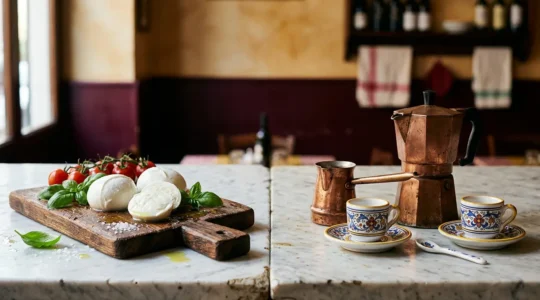
Arthur Avenue vs. Mulberry Street: Where to Find the Real Italian Soul of New York
The real Italian soul isn’t on a map; it’s in a plate of Sunday gravy, and it’s not where most tourists are looking. Arthur Avenue in the Bronx is a living, breathing Italian-American community, centered on family-run shops and multi-generational…
Read more
How New Immigrants in New York Build Support Networks Outside Their Ethnic Enclaves?
Arriving in New York City is a paradox. You land in a metropolis of over 8 million souls, a place buzzing with infinite energy, yet it’s never been easier to feel profoundly alone. The natural first step for any newcomer…
Read more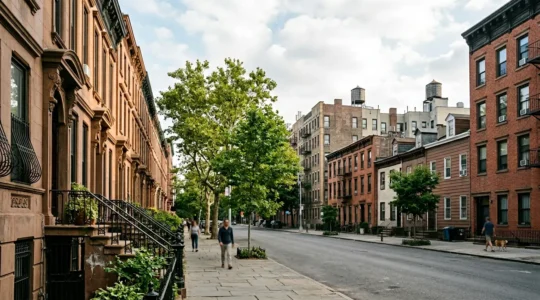
Which NYC Borough Fits Your Lifestyle Best: A Decision Framework for Relocation?
Choosing the right NYC borough is less about chasing a stereotypical ‘vibe’ and more about conducting a data-driven, personal lifestyle audit. Quantify your “life commute,” including travel to social hubs, not just your office, to understand the true time cost….
Read more