Food Tables & Culinary Cultures
New York City is arguably the most dynamic culinary landscape on the planet. For travelers, navigating this vibrant concrete jungle goes far beyond securing a reservation at a Michelin-starred restaurant. The true essence of the city’s food culture pulses in the bustling aisles of outer-borough night markets, behind the foggy glass of old-school deli counters, and in the unassuming basements of Chinatown. Understanding these local food tables is the key to unlocking an authentic travel experience.
However, stepping into this world can be intimidating. From deciphering vendor health grades to understanding the unspoken social contracts of ordering a morning bagel, the city operates on a specific set of unwritten culinary rules. This comprehensive guide will demystify the local food scene, providing you with the insider knowledge needed to eat your way through the five boroughs with the confidence of a seasoned food critic.
Navigating Street Food and Night Markets Like a Local
Street food is the lifeblood of the city’s diverse neighborhoods, offering a passport to global flavors without ever stepping foot in an airport. The Queens Night Market, in particular, stands as a testament to this cultural melting pot. Yet, experiencing it fully requires strategy and a bit of street smarts.
Timing and Tactics for the Culinary Explorer
The golden rule of any popular street food gathering is mastering the clock. Arriving right at the opening bell, or slightly before, is crucial to avoiding the hour-long lines that inevitably snake around the most popular stalls. When formulating your strategy, prioritize trying small portions of heavily hyped dishes first before your appetite wanes. Skip the heavy, deep-fried fillers initially and focus on intricate, regional specialties that are difficult to find elsewhere.
Cash, Etiquette, and Food Safety
Despite living in an increasingly digital world, physical dollar bills remain king in the realm of street carts and night markets. Many traditional vendors operate on razor-thin margins and rely on cash to avoid transaction fees. Bringing exact change not only speeds up the line but earns you quiet respect from the hardworking chefs.
If you have concerns about eating from a cart, the city has a robust regulatory system in place. Understanding the Department of Health letter grades is your primary defense:
- Grade A: The vendor adheres to strict health, hygiene, and temperature control standards. This is the gold standard for safe eating.
- Grade B: The vendor has minor violations but is generally safe; exercise standard caution.
- Grade C: Indicates significant health code violations. Locals typically avoid these establishments.
When interacting with vendors, especially if you have dietary restrictions, ask about ingredients politely and concisely. Avoid holding up the line during peak rushes. A simple, respectful inquiry shows appreciation for their craft without being intrusive.
The Quest for Authenticity: Beyond the Tourist Traps
In a city that thrives on tourism, separating genuine culinary heritage from commercialized imitations is a vital skill. Authenticity isn’t just a buzzword; it represents a chef’s lineage, respect for traditional recipes, and the sourcing of high-quality ingredients.
Spotting the “RedSauce” Trap in Little Italy
While wandering the charming streets of Little Italy is a quintessential tourist experience, many restaurants cater specifically to out-of-towners with generic, oversized portions of fusion pasta. To spot a genuine Italian establishment, look for a concise, seasonally rotating menu rather than a laminated, multi-page book featuring photos of every dish. True culinary artisans rely on the quality of their imported and locally sourced ingredients, which naturally drives up the cost compared to a watered-down, mass-produced meal.
Chef Lineage and Hidden Neighborhood Gems
Knowing who is cooking your food adds immeasurable value to the dining experience. A chef’s lineage—where they trained and the cultural traditions they uphold—dictates the authenticity of the spices and techniques used. You can often see this dedication in the bustling spice markets where top chefs quietly source their raw materials early in the morning.
This pursuit of authentic flavor will lead you away from the main avenues. For instance, some of the most spectacular, traditional dumplings are not found in flashy storefronts, but in the basement dumpling shops of Chinatown. These hidden enclaves, often unmarked and known strictly by word of mouth, offer generations-old recipes crafted by hand, providing an unparalleled and affordable culinary adventure.
The Science and Soul of the Authentic NYC Bagel
No food item is more fiercely debated or deeply beloved in the five boroughs than the bagel. To the untrained eye, it is just a piece of bread; to a local, it is a complex chemistry experiment and a cornerstone of morning culture.
The Tap Water Myth and the “CircleofBread” Test
Legend has long dictated that the unique chew and crust of a local bagel come from the city’s tap water. While the water’s mineral content plays a minor role, the true secret lies in the long, cold fermentation process and the traditional boiling method. Furthermore, you can instantly identify a superior product through the Circle of Bread test.
- Hand-Rolled Bagels: Look for slight imperfections, uneven seams, and a distinct “pull” in the dough. This manual technique guarantees a superior, complex texture.
- Machine-Made Bagels: These are perfectly symmetrical, puffy, and uniform. They often lack the signature dense chew and snap of a traditional bake, resembling standard supermarket bread.
The Rules of Toasting and the “Schmear” Ratio
If you secure a bagel from the legendary 7 AM batch, still warm from the oven, asking the deli clerk to toast it is considered a major faux pas. Toasting ruins the delicate, freshly baked contrast between the crackling crust and the soft, dense interior. Reserve the toaster exclusively for day-old bread.
When it comes to toppings, the cream cheese to bagel ratio (the “schmear”) is an art form. A proper deli provides a generous, thick layer that balances the heavy bread. However, be aware that fresh, cultured deli cream cheese lacks the preservatives found in commercial brands, meaning it will generally spoil within three days. For a budget-friendly alternative, many locals create a DIY scallion spread at home by whipping fresh herbs into basic cream cheese. For those exploring plant-based diets, cashew-based spreads have recently eclipsed tofu options, offering a much richer, creamier texture that perfectly complements a heavily seasoned everything bagel.
NYC Pizza Etiquette: How to Eat a Slice Without Embarrassing Yourself
Much like the bagel, the local pizza slice commands a rigid set of rules. The dollar slice joints and the historic coal-oven pizzerias both hold important places in the city’s ecosystem, but how you consume the pie matters immensely.
The Fold Method and Defeating “TipSag”
Eating a traditional wide slice with a knife and fork is a social crime that will immediately out you as a tourist. The only acceptable technique is the Fold Method. By creating a U-shape down the center of the crust, you construct a structural bridge that completely eliminates “tipsag”—the tragic phenomenon where the front of the slice droops, causing the hot cheese and oil to slide off onto your shoes.
Toppings, Grease, and the Art of the Reheat
When ordering a thin-crust or coal-oven pie, less is always more. Piling on extra toppings weighs down the delicate dough, destroying the crisp char that defines the style. If you notice a pool of orange oil on your cheese, executing a quick “napkindab” is a perfectly acceptable health hack to remove excess grease without sacrificing the flavor of the aged mozzarella.
Finally, if you find yourself with leftover slices, never resort to the microwave, which will render the dough rubbery and sad. Instead, use these steps to revive yesterday’s slice to its former glory:
- Place the cold slice in a dry cast-iron skillet over medium heat to recrisp the bottom.
- Once the crust is firm, add a few drops of water to the side of the pan (away from the pizza).
- Cover the skillet immediately with a lid. The trapped steam will perfectly re-melt the cheese without turning the crust soggy.
Immersing yourself in a city’s culinary culture requires curiosity, respect for tradition, and a willingness to step outside your comfort zone. By mastering these unwritten rules—from navigating night market crowds to perfectly folding a slice—you will transition from a mere observer to an active participant in one of the world’s greatest food stories. Happy eating.
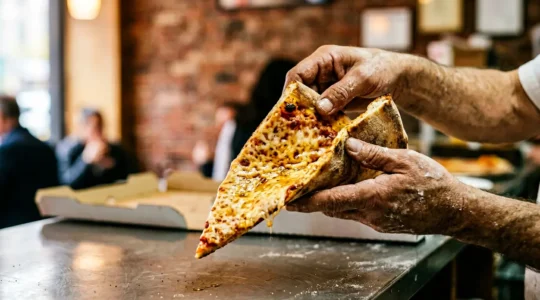
The Fold Method: Why Eating NYC Pizza with a Fork Is a Social Crime?
You think folding a New York slice is just a local custom? Think again. It’s a non-negotiable act of structural engineering. This guide explains the physics behind the ‘Fold Method,’ proving why using a fork is not just a social…
Read more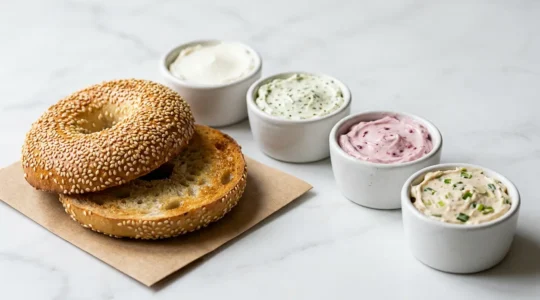
Beyond Plain: Which Cream Cheese Flavors Actually Complement a Sesame Bagel?
The perfect sesame bagel experience isn’t about a single flavor, but about mastering its “flavor architecture”—the interplay of texture, fat, and contrast. Savory spreads like scallion or herb provide a sharp, necessary counterpoint to the nutty sesame, while sweet-leaning cream…
Read more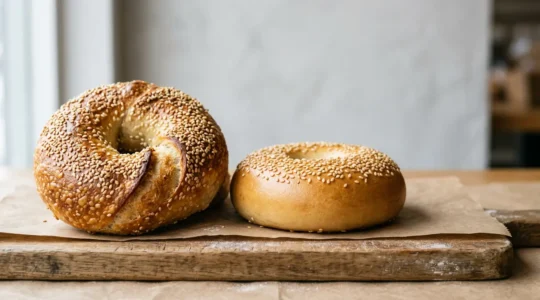
Hand-Rolled vs. Machine-Made: Why You Can Taste the Difference in a NYC Bagel?
The legendary NYC bagel isn’t about ‘magic water’; it’s about non-negotiable process integrity that machines can’t replicate. Low-mineral water and the physical act of hand-rolling create a superior gluten structure for that signature, resilient chew. Long, cold fermentation is the…
Read more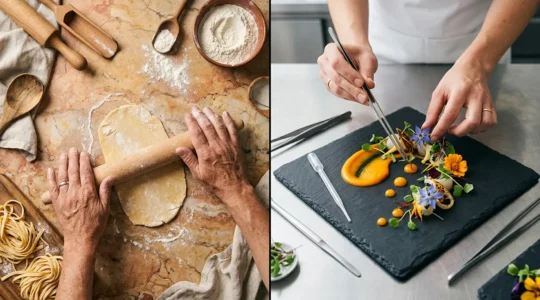
The Purist’s Gauntlet: A Discerning Guide to Finding Genuinely Authentic Food in New York
True culinary authenticity in NYC is not found by following crowds or reading surface-level reviews, but by deconstructing a restaurant’s non-negotiable core principles. Authenticity is proven by verifiable ingredient provenance and unimpeachable technique, not by curated decor or generic, Anglicized…
Read more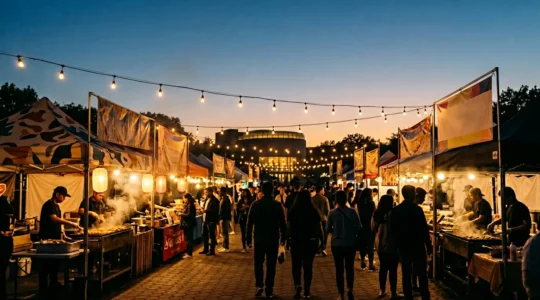
How to Navigate Queens’ Night Market Like a Local Food Critic?
In summary: Go beyond basic tips by adopting a food critic’s strategic mindset to conquer the market. Master the “why” behind market logistics, from cash-only economics to strategic arrival times. Use specific frameworks like a “Flavor Flight” for tasting and…
Read more