Blog
New York City is a metropolis that demands meticulous preparation and a strategic mindset. Whether you are navigating the concrete grid for the first time or returning to dive deeper into the outer boroughs, understanding the local rhythm is absolutely essential. The sheer density of options—from dining to transportation—can easily overwhelm even the most seasoned travelers, leading to physical exhaustion and depleted travel budgets.
This comprehensive collection of travel strategies decodes the complexities of the city. By looking past the glossy tourist brochures and viral social media trends, visitors can protect their time and their energy. Here, we explore the critical components of a successful trip, offering actionable insights on everything from securing reliable digital connectivity to mastering the intricate, unwritten rules of late-night street food queues.
Mastering NYC Logistics and Itinerary Planning
The foundation of any successful trip to the five boroughs lies in hyper-efficient logistical planning. Without a firm grasp on geography and transit, visitors spend more time staring at subway maps than actually experiencing the culture.
Strategic Scheduling and Neighborhood Selection
Planning a trip requires intentional pacing. Attempting to conquer three distinct boroughs in a single day is a guaranteed recipe for vacation burnout. The sheer distance and transit time between destinations like a Bronx botanical garden and a Brooklyn flea market will consume your entire afternoon. Instead, a well-paced five-day itinerary focuses on geographical clusters, allowing you to thoroughly explore one specific zone per day without exhaustion.
Choosing your base of operations is equally critical for managing energy levels. For instance, comparing the vibrant, non-stop neon energy of Midtown Manhattan with the significantly quieter evenings of the Financial District (FiDi) allows travelers to align their accommodation with their specific sleep preferences. FiDi offers phenomenal transit access with a fraction of the midnight noise, making it an excellent strategic hub.
Transit and Digital Connectivity
Moving efficiently means understanding the modern transit infrastructure. The shift towards contactless payments has made the OMNY system highly efficient for short stays. Because it features a built-in fare cap, it often outpaces the traditional MetroCard by automatically converting to an unlimited pass once you hit a specific number of rides within a rolling week.
Staying connected underground and on the streets is vital. Purchasing local SIM cards can be tedious, making modern eSIM data plans a necessity for avoiding exorbitant roaming charges and ensuring you never lose access to your digital maps in a sprawling industrial neighborhood.
Avoiding Common Tourist Pitfalls
First-time visitors often fall prey to localized, hyper-tourist traps. A prime example is the aggressive costume character hustle in Times Square, where unsolicited photos quickly turn into intimidating demands for a $20 tip. Maintaining situational awareness, avoiding eye contact, and walking with purpose are the best defenses against these street-level financial drains.
To optimize your daily logistics, follow this core sequential process:
- Group your daily points of interest by neighborhood to minimize underground transit time.
- Set up your digital wallet with OMNY on your smartphone before ever entering a crowded subway station.
- Download offline maps to ensure navigation remains functional in notorious data dead zones.
Navigating the New York Culinary Landscape
Dining in this city ranges from Michelin-starred dining rooms to metal carts parked on bustling street corners. Both extremes require insider knowledge to navigate safely and successfully.
The Complex Ecosystem of Street Meat
The local street food scene is a legendary institution, heavily regulated and deeply ingrained in the fast-paced culture. The famous “dirtywater” hot dog carts operate under highly coveted permits that can cost hundreds of thousands of dollars, completely explaining the seemingly inflated price of a simple sidewalk snack. When debating the safety of a hot dog versus a chicken skewer, understanding turnover rates is crucial; items that sit in tepid water or on a low-heat grill for hours pose higher risks than rapidly assembled, high-turnover dishes.
Furthermore, the Halal cart culture is fiercely competitive. Distinguishing the original, authentic carts from “royal” imposters guarantees a superior flavor profile. While some legendary spots command a 45-minute wait, visitors must decide if the rapid franchise expansion of brands like The Halal Guys has diluted the original street-corner magic.
- Platter vs. Sandwich: Platters generally offer a significantly higher caloric density and better overall value per dollar.
- Sauce Dynamics: The infamous red sauce is notoriously unforgiving; apply it with extreme caution compared to the heavy pours of the cooling white sauce.
- Regional Topping Rules: Local etiquette dictates that hot dogs should be dressed with deli mustard and onions; reaching for the ketchup is historically frowned upon.
Hacking the High-End Restaurant Scene
Securing a table at the city’s most coveted gastronomic spots often requires strategic timing rather than sheer luck. Understanding how to leverage the “Notify” button strategy on reservation platforms—especially around 4 PM when same-day cancellations are processed—can unlock access to highly exclusive dining rooms.
For impromptu visits, leveraging the bar seat advantage is a proven method for eating full menus at top-tier establishments without a month-long reservation. Discerning diners should also look beyond visually appealing but ultimately disappointing “Instagrammable” gimmicks, opting instead for authentic culinary craftsmanship. Whether it is tracking down real, properly churned gelato or taking advantage of the fleeting three-week soft shell crab season, timing and taste trump aesthetics. Additionally, knowing how to confidently order unlisted “secretburgers” demonstrates a deep appreciation for the city’s hidden culinary layers.
Surviving and Thriving in Brooklyn’s Underground Nightlife
For those venturing beyond the velvet ropes of traditional Manhattan nightclubs, Brooklyn’s electronic music scene offers a raw, industrial alternative. However, the cultural shift requires a different set of survival skills.
Securing Access and Avoiding Scams
The aesthetic and cultural etiquette in the outer boroughs is vastly different from commercial clubs. Showing up in standard Manhattan bottle-service attire—such as tailored suits or high heels—will likely result in being turned away by a discerning bouncer in Bushwick. Comfort, functionality, and understated fashion are the keys to entry.
Finding an exclusive party listed only as “LocationTBA” requires plugging into the right digital networks and promoter mailing lists well in advance. Crucially, attendees must learn to spot “cashgrab” events—these are fake warehouse parties organized poorly by opportunists, featuring predatory ticket pricing, terrible acoustics, and dangerous overcrowding.
Safety and Logistics for Solo Partiers
Navigating desolate industrial zones late at night demands rigorous personal safety protocols, especially if you are experiencing the music scene alone. Solo partiers must remain vigilant and equip themselves properly for long, demanding nights.
A highly functional warehouse survival kit should easily fit in a fanny pack and include:
- High-fidelity earplugs to protect long-term hearing against massive industrial sound systems.
- A portable power bank to guarantee a working phone for ridesharing at dawn.
- Electrolyte packets to maintain essential hydration during extended, sweaty dance sessions.
Finally, the 5 AM exodus presents its own unique logistical nightmare. Rideshare drivers frequently cancel pickups in remote, poorly lit industrial zones due to the “deadmileage” required to return to busy areas. Planning a reliable exit strategy, whether pre-booking a black car service or mapping the safest, most illuminated walking route to the nearest 24-hour subway line, is absolutely essential for a safe return to your accommodation.

From Streets to Parks: Creating Consistent and Attractive Public Spaces
The best cities feel joined-up. A street flows naturally into a square, a square opens onto a park, and the transition barely registers because the materials, lighting, planting and signage share a common language. Achieving that consistency is not accidental….
Read more
US expat pilots: How to secure individual loss of licence coverage abroad
American pilots working abroad face a financial protection gap that many discover only when it’s too late. The loss of license insurance policy you purchased stateside before accepting that lucrative contract in Dubai, Singapore, or Hong Kong likely contains geographic…
Read more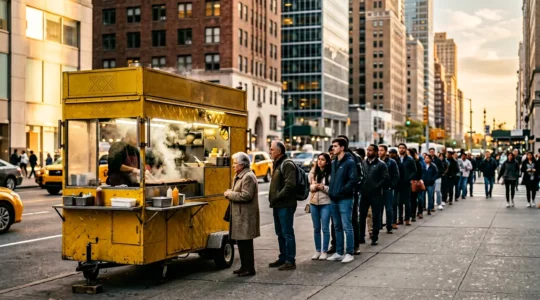
Is Waiting 45 Minutes for The Halal Guys Chicken Over Rice Still Worth It?
The 45-minute wait for Halal Guys is not a question of patience, but of economics; its value is only unlocked by mitigating risk and maximizing your flavor return on investment. The red and white sauces are a calculated flavor system,…
Read more
The “Dirty Water” Dog: Why We Still Eat Them Despite the Health Inspection Grades?
The decision to eat a ‘dirty water’ dog isn’t just about hunger; it’s a complex risk calculation involving economics, psychology, and a misunderstood public health system. Safety is less about the “dirty water” (which must be kept at a specific…
Read more
5 Gastronomic Experiences in NYC That Are Actually Worth the 2-Hour Wait?
The most memorable NYC meals aren’t about luck or patience; they’re about strategy. Focus on insider tactics like leveraging same-day cancellations, ordering off-menu classics, and using the bar for walk-ins. Prioritize culinary substance—seasonal ingredients, chef lineage, and house-made specialties—over fleeting…
Read more
Navigating Brooklyn’s Underground Rave Scene: Safety Tips for Solo Partiers
In summary: The main challenge for a solo partier is not random danger, but navigating the scene’s unwritten rules and logistical hurdles. True safety comes from a harm reduction mindset: proactive planning, community awareness, and having the right tools. Learn…
Read more
How to Plan a 5-Day New York Trip Without Exhaustion or Bankruptcy?
In summary: Stop trying to see everything. The key to a successful NYC trip is managing your energy and money, not ticking off a frantic sightseeing checklist. Structure each day around a single “anchor” neighborhood to minimize travel time and…
Read more