Culture & Creativity
Immersing yourself in the cultural heartbeat of a major metropolis is often the most rewarding part of any journey. Yet, the landscape of urban culture and creativity can sometimes feel like an exclusive club with unwritten rules. Whether you are gazing at a fifty-thousand-dollar blank canvas, trying to score an affordable seat at a blockbuster musical, or wondering why a futuristic building is melting the cars parked beneath it, understanding the mechanics of these creative spaces transforms you from a passive tourist into an engaged cultural explorer.
This comprehensive exploration will demystify the core pillars of city culture. By peeling back the curtain on the performing arts, fine art galleries, historic music scenes, and the architectural triumphs—and failures—of the urban environment, you will gain the confidence to navigate these vibrant creative ecosystems. We will explore the hidden economics, the historical context, and the practical strategies needed to truly experience the artistic soul of the city.
The Theater Scene: Mastering Broadway and Beyond
Live theater is a cornerstone of metropolitan creativity, offering unparalleled storytelling and spectacle. However, navigating the ticketing landscape and understanding the ecosystem of major productions can be intimidating. Securing a seat does not always require draining your travel budget or waiting endlessly in physical lines; it requires a strategic approach.
Demystifying Ticket Strategies: Lotteries, Rush, and SRO
The pursuit of affordable theater tickets is akin to playing a specialized stock market. Knowing the difference between your options can save you hundreds of dollars while still delivering a front-row experience.
- Digital Lotteries: These offer a low-effort, high-reward approach. By entering online daily, you compete for heavily discounted premium seats. The odds are generally lower due to the volume of entrants, but the convenience is unmatched.
- In-Person Rush: This requires physical dedication, usually involving lining up at the box office early in the morning. Your odds of success are visually tangible based on the line length, making it a reliable strategy for dedicated fans.
- Standing Room Only (SRO): Often available only when a show is completely sold out, SRO tickets are deeply discounted but require standing at the back of the orchestra for the duration of the performance. It is an excellent budget option, provided you are prepared for the physical toll.
Off-Broadway and the Magic of Understudies
While massive marquees draw the largest crowds, the true lifeblood of theatrical innovation often pulses in smaller venues. Off-Broadway productions serve as the incubators for the next massive hits. These intimate spaces allow you to witness groundbreaking choreography and narratives before they explode into global phenomena, offering a raw, unfiltered look at the creative process.
Furthermore, timing your visit can profoundly impact your experience. Attending a Wednesday matinee versus a Friday night performance might dictate whether you see the marquee star or an understudy. Far from being a disappointment, seeing an understudy or standby perform is often a thrilling experience. These highly trained professionals bring a unique, hungry energy to the stage, frequently delivering career-defining performances.
Navigating Safely: Avoiding Counterfeits
The high demand for live entertainment inevitably attracts opportunistic scammers. The scalper on the street corner offering a deal that seems too good to be true is a classic urban trap. To protect your investment, always prioritize verified box office sales, official digital rush platforms, or authorized discount booths. Spotting fake tickets involves checking for specific holograms, accurate venue fonts, and ensuring the ticket stock feels legitimate, though digital ticketing has increasingly become the safest standard.
Fine Art Made Accessible: Navigating Contemporary Galleries
Stepping into a pristine, white-walled gallery district can trigger a severe case of imposter syndrome. The quiet atmosphere and the lack of visible price tags often make these spaces feel exclusionary. However, commercial art galleries are essentially free museums open to the public, designed to showcase the forefront of contemporary visual arts.
Gallery Etiquette and Opening Nights
Understanding the rhythm of the gallery world is the key to enjoying it. The most vibrant time to visit is during Thursday night openings. These events are the social lifeblood of the art world, offering an opportunity to spot the artist, mingle with critics, and, famously, enjoy complimentary wine.
The unspoken rules of gallery hospitality are simple: the wine is indeed free, but it serves as a social lubricant meant to encourage lingering and discussion, not a substitute for a local bar. When attending, observe the art, engage politely with the staff, and do not be afraid to ask questions. Asking “Howmuchisthis?” is a standard inquiry for the front desk staff, who will typically provide a printed checklist with titles, mediums, and prices.
Understanding Art Valuation and Pricing
One of the most common perplexities for newcomers is understanding why a minimalist, seemingly blank canvas can command a staggering price tag. Art valuation is a complex matrix driven by several key factors:
- Provenance and Exhibition History: An artwork’s value increases significantly if it has been featured in major museum exhibitions or previously owned by notable collectors.
- Artist’s Market Trajectory: The consistency of an artist’s sales at auction and their representation by high-tier galleries establish a baseline for their pricing.
- Material and Labor Costs: While sometimes minimal in conceptual art, the cost of specialized fabrication or rare materials plays a foundational role in the primary market price.
Optimizing Your Art Walk
Maximizing your time in a dense gallery district requires planning. Utilizing elevated parks or established walking routes allows you to efficiently hit multiple top-tier galleries in a short span. Grouping galleries by location rather than by artist ensures you spend more time absorbing the creative expressions and less time navigating crowded city blocks.
The Soul of the City: Authentic Jazz and Live Music
To truly hear the history of a city, you must step into its live music venues. Historic jazz clubs, particularly those rooted in culturally rich neighborhoods, offer a direct lineage to the musical pioneers of the past. However, experiencing this authentic sound requires understanding the unique economy and culture of small music clubs.
The Hidden Economics of Jazz Clubs
Live music venues operate on tight margins, balancing the preservation of artistic heritage with the harsh realities of modern urban real estate. When you visit a club, you will typically encounter specific financial structures designed to keep the music playing.
- Cover Charge: This fee generally goes directly toward paying the musicians and the booking staff, ensuring the talent is compensated for their artistry.
- Drink Minimum: This requirement sustains the physical venue, covering the overhead costs of rent, utilities, and waitstaff.
Additionally, tipping the band is rarely optional in smaller, intimate venues. It is a fundamental tradition and a direct sign of respect for the artists sharing their craft. Understanding where your money goes transforms the expense from a mere cost into an active patronage of the arts.
Finding the Authentic Late-Night Groove
The atmosphere of a live music experience varies wildly depending on the setting. A formal dinner club offers a curated, seated experience perfect for focused listening, while a neighborhood dive bar provides a raucous, high-energy environment where the music fuels the social interaction.
For the most dedicated music lovers, the true magic happens during the late-night jam sessions. Occurring long after the casual tourists have gone to sleep, these sessions are where musicians play for each other. It is in these unscripted, highly improvisational moments that you witness the rawest, most virtuant displays of musical creativity.
The Canvas of the City: From Art Deco to Futuristic Architecture
A city’s architecture is its most permanent form of public art. The skyline tells a story of technological ambition, stylistic rivalries, and evolving social values. Decoding the built environment enriches every walk down the street, turning buildings into monuments of urban design.
The Golden Age of Art Deco
The architectural style of the jazz age left an indelible mark on the urban landscape. Characterized by geometric precision and a fascination with progress, Art Deco buildings are masterpieces of craftsmanship. The stylistic war between iconic skyscrapers often boiled down to the details: the use of exotic chrome and marble, or the integration of auto-age iconography like metallic hubcaps integrated into the brickwork.
While the exteriors are world-famous, the true marvels often lie within the lobbies. Many historic lobbies are legally designated interior landmarks, allowing public access to breathtaking spaces filled with custom metalwork and intricate murals. Maintaining these spaces is a monumental challenge, as replacing custom period metalwork requires specialized artisans who utilize nearly forgotten techniques.
The Controversies of Modern Public Art
As cities evolve, so does their approach to public structures. The shift from classic masonry to futuristic design often brings significant challenges. Modern architectural icons frequently blur the line between meaningful public art and mere selfie bait designed for social media consumption.
Furthermore, highly experimental designs sometimes fail critical public safety and physics tests. The deployment of reflective glass facades has, in notable instances, concentrated sunlight to such a degree that it melted the trim on cars parked below. These incidents highlight the friction between bold aesthetic visions and practical urban realities.
Form vs. Function in the Urban Landscape
True architectural success must balance visual impact with human utility. A structure’s meaning is heavily compromised if it fails to serve the entire population. The reliance on monumental staircases over seamless elevator integration in modern landmarks often excludes the disabled, raising crucial questions about who public art is truly built for.
Finally, the hidden upkeep of these structures is staggering. Shiny, futuristic monuments require dedicated fleets of maintenance workers. Understanding who cleans the mirrors and polishes the reflective surfaces adds a layer of blue-collar reality to the high-concept world of modern architecture, proving that cultural preservation is an ongoing, labor-intensive process.
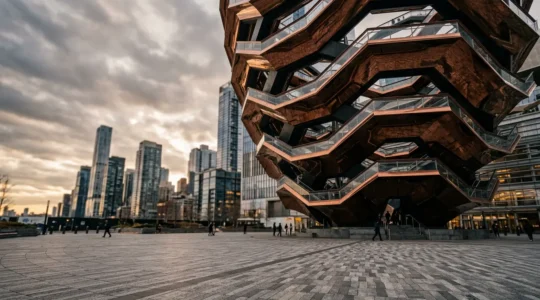
The “Vessel” and Beyond: Why Futuristic Design in NYC Often Fails Public Safety Tests?
Futuristic architectural icons in New York City are consistently failing public safety and usability tests not because of isolated errors, but due to a systemic failure in the design process itself. Spectacular designs often prioritize a singular, photogenic vision while…
Read more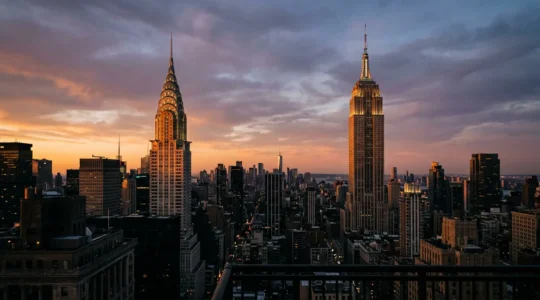
Chrysler vs. Empire State: Which Art Deco Landmark Definition Wins the Style War?
The Chrysler Building decisively wins the Art Deco style war, not through height, but through its unwavering commitment to a singular, narrative-driven aesthetic vision. The Empire State Building is a masterpiece of scale and commerce; the Chrysler Building is a…
Read more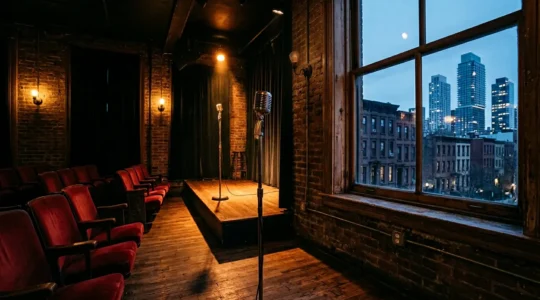
Why Are Harlem’s Jazz Clubs Dying? Gentrification Is Only Half the Answer.
The slow death of Harlem’s jazz clubs isn’t just about rising rents; it’s about the audience’s failure to understand the fragile cultural ecosystem they are now a part of. Your cover charge often barely covers the artists, and drink minimums…
Read more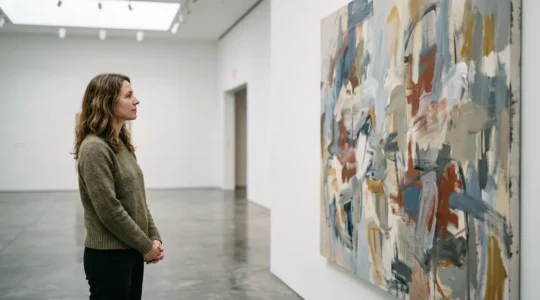
How to Visit Chelsea Art Galleries Without Feeling Like an Imposter?
The biggest barrier to enjoying Chelsea’s art galleries isn’t a lack of art knowledge—it’s the fear of breaking unwritten social rules. Galleries operate on a “social script” where your presence and thoughtful attention are the expected currency, not your wallet….
Read more
How to Score Front-Row Broadway Tickets for Under $50 Without Waiting in Line?
In summary: Stop waiting in lines; start playing a strategic game using digital lotteries, rush programs, and Standing Room Only (SRO) tickets. Improve your odds significantly by targeting weekday and matinee performances, where demand is lower. Explore Off-Broadway theaters to…
Read more