Architecture & City in Motion
For the avid traveler and the curious urbanite, a major metropolis is much more than a simple collection of buildings; it is a living, breathing museum. From the quiet, tree-lined streets of historic residential districts to the imposing shadows cast by modern glass megastructures, cities are in a constant state of motion. Understanding the invisible forces that shape these environments allows you to appreciate the intricate balance between preserving the past and engineering the future.
This comprehensive overview delves into the dual nature of urban evolution. Whether you are considering purchasing a piece of history, navigating the complexities of local planning boards, or simply looking to decode the architectural narrative of your next travel destination, mastering these foundational concepts is essential. By exploring the tensions between heritage conservation and vertical ambition, you will gain the keys to truly reading the streets you walk every day.
The Vertical Ambition: Engineering and Zoning of Supertalls
As urban land becomes increasingly scarce, developers naturally look upward. The emergence of “penciltowers”—ultra-thin, super-tall skyscrapers—has fundamentally altered modern skylines. However, erecting these monumental structures requires navigating a complex web of legal loopholes, atmospheric challenges, and civic resistance.
The Invisible Trade of Air Rights
One of the most fascinating aspects of modern city planning is the commodification of empty space. To build higher than standard zoning allows, developers rely on purchasing air rights. This practice is akin to buying invisible building blocks from shorter neighboring properties. The process generally follows a strict sequence:
- Acquiring the primary lot: Purchasing the physical ground space where the tower’s footprint will sit.
- Harvesting vertical allowances: Negotiating with adjacent property owners to legally transfer their unused vertical buildable space to the new project.
- Consolidating the zoning lot: Merging these rights legally to present a single, massive vertical allowance to the city planning commission.
This mechanism explains how a towering glass monolith can suddenly rise next to a historic, three-story theater without violating local density regulations.
Combating the Elements: Wind and Weight
Building a pencil tower is not merely a zoning challenge; it is a profound engineering puzzle. At extreme heights, wind becomes a formidable adversary. To prevent these slender structures from swaying violently and causing motion sickness among residents, engineers utilize tuned mass dampers. These are massive, suspended counterweights hidden near the top of the building that shift in opposition to the wind’s force. This technology is what keeps ultra-thin megastructures stable during severe weather, proving that modern architecture relies just as much on dynamic physics as it does on static strength.
The “WeddingCake” Shape and Historical Zoning
To understand today’s skylines, one must look back at historical legislation, specifically the landmark 1916 zoning resolution in New York. As early skyscrapers began blocking light from the streets below, cities mandated that buildings must step back as they rise. This created the iconic “weddingcake” silhouette seen in early 20th-century architecture. Today, developers continually push the boundaries of these foundational laws, utilizing mechanical voids and stilts to elevate their luxury apartments ever higher.
The Complexities of Owning and Preserving Historic Homes
While the skyline stretches into the clouds, the ground level offers a completely different set of challenges. The romance of owning a historic brownstone or a century-old townhouse often obscures the rigorous financial and regulatory realities of heritage conservation.
Navigating Strict Historic District Regulations
Living in a designated historic district means becoming a steward of the city’s architectural legacy. However, this stewardship comes with strict limitations. Homeowners quickly discover that standard renovations are rarely permitted. You cannot simply install standard off-the-shelf windows or arbitrarily change the color of your front door. Every exterior modification must be approved by a landmarks preservation committee to ensure historical accuracy. Failing to obtain the proper permits for facade work can result in immediate stop-work orders and severe financial penalties, often costing thousands of dollars.
The Hidden Costs of Heritage Maintenance
Beneath the charming cornices and ornate stoops lie significant maintenance challenges. Century-old facades are particularly susceptible to the elements. When inspecting a historic property, experts recommend a strict checklist to identify potential disasters before making an offer:
- Checking for micro-fissures and water damage in aging masonry.
- Evaluating the structural integrity of the entrance stoop, which can be catastrophically expensive to rebuild if it collapses.
- Reviewing specialized home insurance policies, as standard coverage rarely accounts for the inflated costs of historically accurate restoration.
Because heritage conservation makes renovations significantly more expensive, buyers must carefully calculate whether the prestige of a historic status truly offsets the relentless maintenance costs.
Integrating Modern Comforts into Century-Old Shells
Modernizing a 19th-century home without destroying its original character is a delicate art. Heating a drafty brownstone efficiently without incurring exorbitant monthly utility bills requires creative insulation strategies that do not damage original plasterwork. Similarly, installing central air conditioning often involves snaking modern ductwork through narrow historical cavities to avoid ruining irreplaceable crown molding. Furthermore, finding skilled artisans—such as traditional plasterers or stonemasons—has become increasingly difficult in recent years, adding both time and expense to the renovation timeline myth.
The Battle for Light, Space, and the Environment
The friction between rapid urban development and the quality of life for everyday citizens has sparked intense debates regarding environmental sustainability and public resources.
The “RighttoLight” and Urban Shadows
As towers grow taller, the shadows they cast grow longer, fundamentally altering the microclimates of surrounding public parks and neighborhoods. In many global cities, the “righttolight” is a fiercely contested legal concept. While developers often employ complex shadow studies to prove their buildings will not plunge public spaces into permanent darkness, community boards and civic organizations frequently challenge these findings. The comparison between cities like London, which strictly protects historical sightlines to landmarks, and other metropolises that favor unrestricted vertical growth, highlights different cultural priorities in urban planning.
Carbon Footprints and Vacant Luxury
Modern glass towers are often criticized as environmental anomalies. Despite advancements in eco-friendly construction, the sheer energy required to cool massive glass facades contributes significantly to a city’s carbon footprint. This environmental cost is compounded by the social reality of “Billionaire’sRow” phenomena, where ultra-luxury apartments are purchased purely as investment assets and sit empty for years, contributing nothing to the local community fabric while dominating the skyline.
Decoding the Streets: A Guide for Urban Explorers
The best way to understand an urban environment is to learn how to read its buildings. Every architectural detail serves a purpose, offering clues about the era in which it was built and the practical problems its architects were trying to solve.
Hidden Sanctuaries and Forgotten Functions
When walking through a dense commercial district, you might walk past numerous hidden oases. In exchange for zoning bonuses, developers are often required to create privately owned public spaces (POPS). These corporate atriums and indoor parks provide free, climate-controlled sanctuaries for those who know where to look.
Similarly, looking upward reveals functional history masquerading as art. Gargoyles, often perceived merely as frightening medieval decorations, actually serve a highly practical purpose: they are complex water management systems designed to direct corrosive rainwater away from vulnerable stone facades. Even the wooden water tanks perched atop modern buildings are not nostalgic remnants; wood remains a superior, naturally insulating, and cost-effective material for preventing water from freezing in winter or boiling in summer compared to steel.
Ultimately, a city is an ever-evolving narrative of human ambition. Whether developers are planning waterfronts to withstand rising sea levels or homeowners are fighting to preserve the delicate plasterwork of a bygone era, the urban landscape is a testament to resilience. The next time you find yourself wandering through a new city, look beyond the surface, read the architecture, and witness the city in motion.
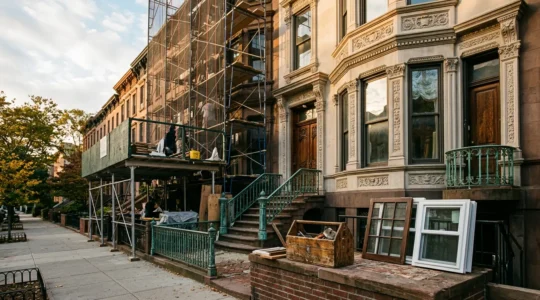
The Cost of History: Why Heritage Conservation Makes Renovations 30% More Expensive?
That shockingly high renovation quote for your historic property isn’t an error; it’s the price of authenticity, labor scarcity, and regulatory oversight. Material costs are higher because preservation rules mandate period-accurate supplies, not modern, mass-produced equivalents. The pool of artisans…
Read more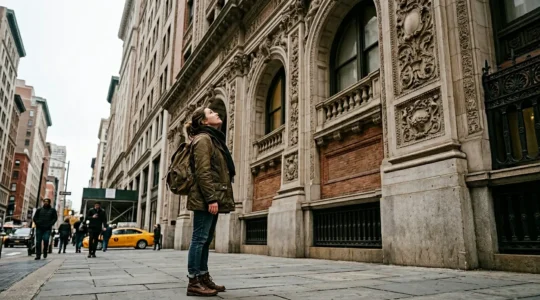
How to Read a Building: Decoding the Stories in NYC’s Architecture
Most guides point out architectural styles. This one decodes the why. You’ll learn that NYC’s iconic shapes aren’t just aesthetic choices, but the direct result of legal battles, engineering necessities, and intense rivalries. It is a guide to reading the…
Read more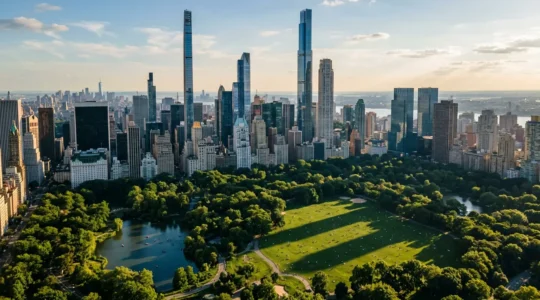
Why New York’s City Planning Favors Supertalls Over Public Parks?
New York City isn’t running out of space; its planning rules are systematically designed to trade public sunlight and parks for private vertical wealth. “Air rights” and “as-of-right” loopholes allow developers to bypass public review and build taller than the…
Read more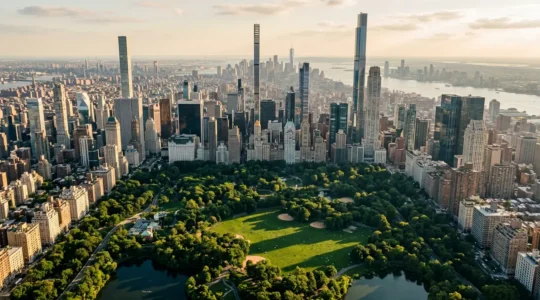
Why New York’s Super-Tall Skyscrapers Are Casting Longer Shadows on Central Park?
The ever-lengthening shadows over Central Park are not an accident, but the direct result of a city planning system that allows developers to literally buy the sky and bypass public review. Developers exploit “air rights” and “as-of-right” zoning loopholes to…
Read more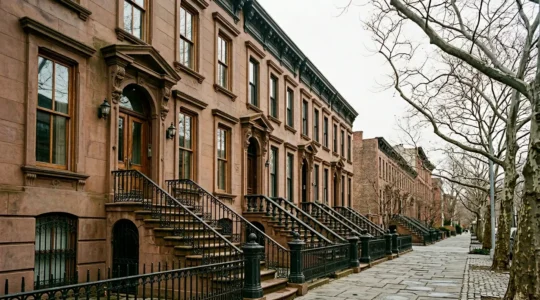
Buying a Historic Brooklyn Brownstone: The Maintenance Costs Owners Don’t Discuss
The romantic dream of owning a Brooklyn brownstone is often a financial and bureaucratic trap built on a foundation of crumbling 19th-century materials. Your biggest expenses won’t be cosmetic updates but fighting inevitable water intrusion and structural decay. Landmark laws…
Read more