New York Daily Life
New York City is often romanticized through the lens of towering skyscrapers and bright theater lights, but true mastery of the metropolis lies in understanding its daily rhythms. Behind the cinematic facade exists a complex ecosystem of unspoken rules, strategic commuting, and neighborhood micro-cultures. Thriving in this environment requires more than just a subway map; it demands an understanding of the city’s unique logistical and social fabric.
Whether you are trying to figure out how to transport a toddler during rush hour, decipher a ten-page diner menu, or find a slice of quiet in Midtown Manhattan, daily life here is a learned skill. This overview breaks down the essential components of navigating the concrete jungle, offering practical strategies to transform overwhelming urban chaos into a manageable, even rewarding, daily routine.
Mastering the Midtown Commute and Urban Navigation
Midtown Manhattan operates as the undeniable commercial heart of the city, presenting a daily endurance test for commuters. Surviving this dense grid requires situational awareness and a willingness to step off the beaten path to avoid tourist bottlenecks.
Decoding Transit Hubs and Underground Secrets
The choice of your arrival terminal can significantly impact your daily quality of life. The perennial debate between transit hubs highlights distinct commuter experiences:
- Penn Station: Known for its utilitarian, fast-paced environment. It is highly efficient for quick exits but lacks aesthetic comfort, requiring a no-nonsense approach to navigating its subterranean corridors.
- Grand Central Terminal: Offers a more spacious, visually inspiring start to the day. Its wider concourses and integrated food markets provide a slightly more relaxed transition into the city.
Once above ground, avoiding the tourist congestion near iconic landmarks is an art form. Savvy locals rely on a network of underground passageways in Midtown. These hidden corridors allow you to walk multiple blocks without ever stepping outside, shielding you from harsh weather and crowded sidewalks. When the sensory overload peaks, knowing where to find accessible public atriums or tucked-away pocket parks becomes essential for a twenty-minute mental reset.
Raising a Family in the City That Never Sleeps
Contrary to the belief that the city is solely for ambitious professionals, raising children here offers a rich, culturally diverse experience. However, it requires mastering a completely different set of urban survival skills, blending intense logistics with community building.
Navigating Childcare and Transit Logistics
For dual-income households, the childcare dilemma is a major hurdle. Choosing between a nanny and daycare involves weighing flexibility against cost and socialization. A nanny provides crucial logistical relief, especially when dealing with unpredictable transit delays, while daycares offer structured environments but strict pickup times.
Speaking of transit, navigating the subway with a stroller is a rite of passage. Success hinges on a few sequential steps:
- Always map out accessible stations with functioning elevators ahead of time.
- Master the art of the “reverseentry” into crowded train cars to protect the stroller.
- Adopt an unapologetic but polite demeanor when asking for space during rush hour.
Finding Your Village in Massive Boroughs
Creating a small-town community feel within massive boroughs like Queens is entirely possible. It often starts at the local playground. NYC playgrounds operate on unwritten social contracts: sharing community toys, respecting the unspoken zones for toddlers versus older children, and building relationships with the parents you see at the exact same time every afternoon. These micro-interactions form the foundation of your urban village.
The Evolution of New York Diner Culture
The classic NYC diner has historically functioned as the city’s communal dining room, though the landscape has shifted recently. Understanding how to navigate these institutions is a quintessential part of local life.
Surviving the Encyclopedia Menu and Bottomless Coffee
Sitting down in a traditional booth often means facing a ten-page menu. The secret to diner dining is knowing what is safe to order. Stick to the staples with high turnover rates: eggs, burgers, and classic sandwiches. Items tucked away on page eight are less likely to be fresh. Similarly, the iconic bottomless cup of coffee is a staple, but locals know how to gauge its freshness by observing the pot’s rotation during busy morning hours.
The Economics of the Classic Breakfast
Finding a classic breakfast under fifteen dollars has become a modern urban treasure hunt. The rising cost of the historically cheap egg sandwich—now often heavily marked up—reflects broader shifts in commercial rent and ingredient costs. To stretch your dollar and find authentic experiences, many look to the enduring Greek diners of Queens. These establishments offer a survival guide to affordable, hearty meals. Furthermore, mastering the weekend dining scene means understanding the stark contrast between a quiet, early Saturday morning breakfast and the chaotic, mimosa-fueled Sunday brunch crowd.
Fueling Up: Street Food, Snacks, and Lunch Under $15
City life demands eating on the move, but relying solely on hot dog carts is a rookie mistake. A robust urban diet requires strategic snacking and finding hidden lunch gems that do not belong to massive corporate chains.
Navigating Street Carts and Hygiene
The sights and smells of street carts are ubiquitous. When assessing the vibrant cups of pre-cut mangoes, hygiene is paramount. Look for vendors who keep their fruit chilled on ice and use separate hands (or gloves) for handling cash and food. As for the intoxicating aroma of roasted nuts, seasoned locals know that the lack of posted prices is a negotiation tactic—always ask the price before accepting the bag.
Avoiding the Afternoon Energy Crash
Combating the notorious 3 PM energy crash requires the right fuel. While a dense New York bagel is a morning staple, eating one in the afternoon is a guaranteed recipe for lethargy. Many turn to liquid fuel, but it is crucial to differentiate between a nutrient-dense green juice and a fruit smoothie that is secretly a sugar bomb in disguise. For those attempting to multitask, mastering the skill of eating a chopped salad while power-walking—without ruining your professional attire—is perhaps the ultimate test of urban coordination.
Giving Back and Escaping the Concrete Jungle
Maintaining a balanced life means stepping outside your daily grind to contribute to the community and, occasionally, leaving the city entirely to reconnect with nature.
Integrating Meaningful Volunteer Work
Finding impactful volunteer opportunities that fit a rigid 9-to-5 schedule can be challenging. The key is skills-based volunteering. If you are an accountant or a marketing professional, offering high-impact pro bono work is far more valuable than painting fences. For those with limited mobility or time, mentoring youth via Zoom offers a way to give back straight from your couch.
For outdoor enthusiasts, cleaning local parks presents a hidden benefit: it is one of the most effective ways to meet like-minded friends outside of a bar setting. To avoid the dreaded “flakefactor” (canceling commitments at the last minute), experts recommend starting your volunteer journey in January. While everyone else eventually drops their resolutions, establishing the habit early sets a lasting foundation.
Accessible Nature Escapes
When the concrete simply becomes too much, escaping the city is necessary for mental health. You do not need a car to find tranquility. The regional train networks offer direct access to stunning nature spots along the Hudson River or deep into neighboring forests. Knowing when to step away from the noise is the final, and arguably most important, secret to sustaining a vibrant, long-term life in New York City.
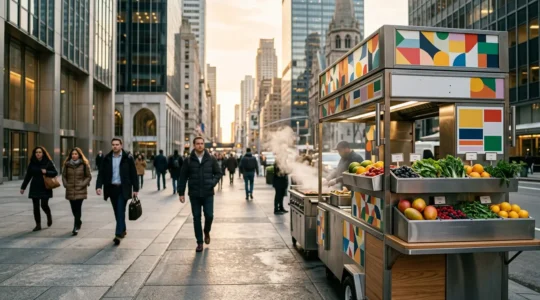
Healthy Urban Snacks: Where to Grab Fuel in Midtown That Isn’t a Hot Dog?
In summary: Prioritize street vendors who demonstrate clear hygiene practices, like using tongs for food and separate hands for money. Avoid the 3 PM energy crash by choosing snacks balanced with protein, fiber, and healthy fats instead of high-carb options…
Read more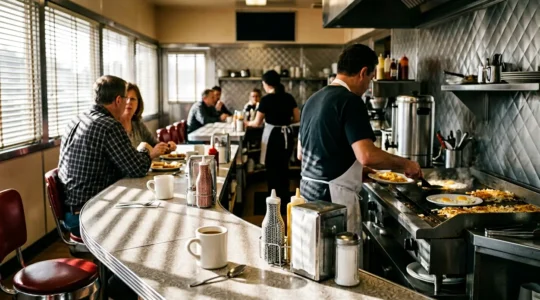
The Death of the NYC Diner: Where to Find a Classic Breakfast Under $15?
The classic NYC diner isn’t dead, but surviving on a budget requires a new strategy. Skyrocketing prices are driven by a perfect storm of food, labor, and real estate costs, not just greed. The secret to an affordable, quality meal…
Read more
How to Find Meaningful Volunteer Work in NYC That Fits a 9-to-5 Schedule
In summary: Stop trying to “find time” and instead strategically integrate volunteering into your existing life and career. Leverage your professional skills (pro bono work) for maximum impact, rather than just doing manual tasks. – Focus on consistency over intensity;…
Read more
How to Survive the Midtown Manhattan Commute Without Losing Your Sanity?
The Midtown commute isn’t a test of endurance; it’s a solvable logistics problem that you’re currently losing. True optimization requires data: analyze your entry hub, food costs, and the real price of your time. Bypass the chaos by leveraging “geospatial…
Read more
How to Raise a Family in New York While Maintaining a Small-Town Community Feel?
Raising a family in New York City doesn’t mean sacrificing a sense of community. The secret isn’t finding the perfect “family-friendly” neighborhood, but actively building your own ‘Chosen Family.’ This guide shows you how to master the unwritten rules of…
Read more