Society & Urban Issues
Cities are more than just collections of buildings and tourist attractions; they are complex, living ecosystems defined by the constant friction between history and progress. When exploring major metropolitan areas, looking beyond the postcard facades reveals a rich tapestry of social dynamics, housing debates, and community organizing. Understanding these fundamental mechanisms transforms a simple visit into a profound immersion into the urban soul, providing a true sense of place for any dedicated traveler or informed resident.
Whether you are a local resident trying to navigate neighborhood changes, a new buyer analyzing the real estate market, or an engaged traveler seeking authentic cultural experiences, grasping the underlying urban issues is essential. This overview explores the delicate balance of preserving architectural heritage while fostering essential development, the grassroots movements defending local interests, and the profound ways communities maintain their ancestral roots amidst rapid gentrification.
The Complex Dynamics of Historic Preservation and Housing
Think of a city’s housing market as a delicate ecosystem where every regulation creates a ripple effect. The tension between saving the past and building for the future is one of the most defining society and urban issues in any major metropolis.
How Landmarks Preservation Shapes Neighborhoods
Preserving the architectural soul of a city is a double-edged sword. On one hand, protecting historic districts maintains the aesthetic and cultural history that makes an area uniquely appealing. However, stringent preservation laws often block essential housing development. When city commissions decide what gets saved and what gets demolished, they inadvertently influence the supply of available homes. This scarcity can accelerate neighborhood gentrification, pushing out long-term residents as demand outpaces the highly constrained housing stock. Understanding these legislative forces is crucial when examining the socioeconomic evolution of any iconic district.
The Realities of Renovating and Adaptive Reuse
Adapting old structures to modern needs, such as converting historic factories into lofts, offers a brilliant compromise between conservation and progress. Yet, anyone undertaking such a project faces a notoriously steep bureaucratic nightmare. Navigating landmark regulations requires significant patience and resources. To succeed in preserving a building’s soul without halting progress, stakeholders typically follow a specific framework:
- Historical Assessment: Identifying the core architectural features that mandate strict preservation.
- Regulatory Navigation: Collaborating closely with local preservation commissions to align on acceptable structural modifications.
- Adaptive Integration: Merging modern, energy-efficient infrastructure seamlessly with historic facades.
The Financial and Structural Realities of Urban Real Estate
The urban skyline is constantly shifting, raising essential questions about where true value lies in real estate. The glossy marketing of modern developments often obscures the practical realities of high-rise living.
Pre-War Charm vs. New Development Risks
Buying a condo in a “luxury” high-rise is often marketed as a pristine, foolproof investment, but the reality is far more nuanced. New towers frequently face the “glasscurtain” risk, a structural vulnerability where poorly insulated modern facades leak heat and water, leading to astronomical repair bills. In contrast, pre-war buildings, with their thick masonry and proven durability, often hold their value more reliably during economic recessions, serving as a safer haven for long-term urban capital.
Decoding Amenities and Hidden Costs
When evaluating new buildings—whether seeking pre-construction or closeout deals—it is vital to scrutinize the associated long-term costs. Developers often entice buyers with lavish additions, but “resort-style” amenities will inevitably double monthly homeowner association fees. To ensure these investments are genuinely worthwhile, buyers must ruthlessly evaluate their actual usage:
- Do you genuinely utilize the private cinema you pay for, or is it merely a vanity metric?
- Are the maintenance costs for the rooftop pool financially sustainable over the next decade?
- Does the building management maintain a solid reserve fund to handle inevitable mechanical failures?
Preserving Cultural Heritage and Bridging Generational Gaps
Beneath the towering skyscrapers lies the intangible heritage of the city’s inhabitants. The true culture of a destination is rarely found in its tourist brochures; it lives within the daily practices of its multi-generational families.
Ancestry, Language, and Authentic Celebrations
Finding authentic cultural celebrations requires looking beyond the highly commercialized parades and diving into grassroots, community-led festivals. Yet, many third-generation urbanites struggle to maintain their ancestral languages, gradually diluting the neighborhood’s original cultural fabric. Enrolling children in dual language programs within city public schools has become a highly competitive but vital strategy to keep these linguistic roots alive. Tracing ancestry back to historical points of arrival, such as Ellis Island, often sparks this profound desire to reconnect with forgotten family origins.
Overcoming the Silent Gap Between Generations
The rapid pace of modern urban life often exacerbates the “silentgap” between generations. Cultural preservation starts at home, yet grandchildren and grandparents frequently struggle to communicate due to linguistic barriers and vastly divergent life experiences. Interviewing elders before their stories are permanently lost is a profound way to archive family history. To do this effectively:
- Establish Comfort: Begin with familiar, broad questions about their childhood neighborhoods and daily routines.
- Use Visual Prompts: Bring old photographs, maps, or family heirlooms to trigger specific, vivid memories.
- Record and Transcribe: Utilize modern recording tools to preserve not just the historical facts, but the tone, dialect, and emotion of their voices.
Effective Grassroots Activism and Community Organizing
When massive corporate or municipal projects threaten local ecosystems—such as a proposed mega-casino in a quiet residential area—grassroots activism remains the most potent line of neighborhood defense.
The Jane Jacobs Playbook for Modern Neighborhoods
The community-first tactics pioneered decades ago by activists like Jane Jacobs still work flawlessly today. While digital campaigns offer quick, superficial visibility, online petitions frequently fail where handwritten signatures win. Physical signatures demonstrate a tangible, highly committed voter base that local politicians cannot easily ignore. Direct, localized action proves that a neighborhood is actively monitoring its own urban development.
Sustaining Momentum and Managing Resources
Community organizing is a marathon, not a sprint. Organizers frequently hit a “6-monthwall” where extreme volunteer exhaustion sets in. To sustain momentum without burning out the community, effective block associations focus on strategic visibility and smart funding. Getting a local reporter to consistently cover community meetings can exponentially increase pressure on decision-makers. Furthermore, relying on hyper-local micro-grants rather than unpredictable crowdfunding ensures a steady, reliable stream of funding for essential protest materials and community outreach efforts.
Redefining Urban Volunteerism and Food Insecurity Relief
Urban philanthropy is often driven by excellent intentions that unfortunately do not align with on-the-ground logistical realities. Understanding the mechanics of local aid is crucial for anyone looking to make a genuine societal impact.
The Complex Logistics of Food Pantries
Volunteering at city food banks reveals a stark contrast between what actually helps and what merely feels good to the donor. For instance, donating canned pumpkin in the middle of summer is famously unhelpful, needlessly taking up valuable warehouse shelf space. The core structural challenge lies in the “lastmileproblem”—the logistical nightmare of moving bulk food from massive distribution centers to tiny neighborhood pantries in underserved areas. These local pantries constantly battle the dilemma of providing highly requested fresh produce versus managing the easier, but less nutritious, shelf-stable donations.
Making Real Impact Through Sustained Commitment
To genuinely alleviate urban food insecurity, both corporate organizations and individual citizens must drastically rethink their charitable contributions. Effective impact requires a shift from sporadic generosity to structured support:
- Consistent Volunteering: Weekly shifts build operational efficiency, whereas one-off holiday volunteering often overwhelms pantries with well-meaning but untrained staff.
- Corporate Skills Transfer: Companies can offer specialized pro-bono skills—such as supply chain logistics, accounting, or fleet management—which provide infinitely more value than simply running a seasonal canned food drive.
- Financial Donations: Direct financial contributions allow food banks to purchase wholesale goods at a fraction of retail prices, maximizing the nutritional impact of every single dollar.
Navigating the multifaceted society and urban issues of a major metropolis requires looking far past the superficial elements of daily city life. Whether you are analyzing the systemic friction between historic preservation and the desperate need for new housing, participating in local grassroots activism, or redefining how to contribute effectively to neighborhood food banks, understanding these complex dynamics makes you a more conscious citizen and a more perceptive urban explorer. Ultimately, the true essence of any great city lies not in its static concrete monuments, but in the vibrant, ongoing negotiations of the people who call it home.
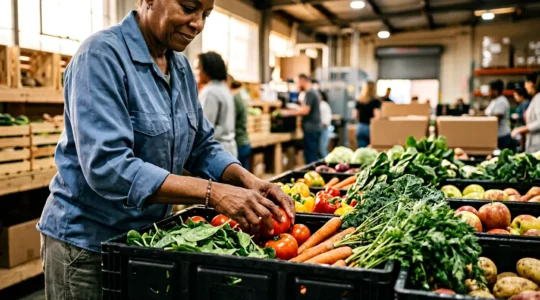
Volunteering at NYC Food Banks: What Actually Helps vs. What Just Feels Good?
Contrary to popular belief, the most valuable volunteer contributions to NYC food banks are rarely the most visible; operational efficiency trumps feel-good gestures every time. One-off holiday volunteering can cost non-profits more in training and management than the value it…
Read more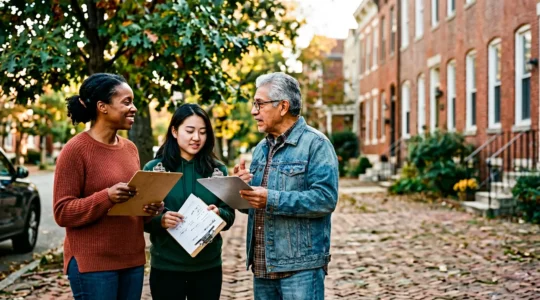
How Local Grassroots Activism Stopped a Casino in Your Neighborhood?
The fight for your neighborhood is won on the sidewalk, not on social media. Effective activism prioritizes face-to-face organizing and handwritten petitions over digital campaigns, which are demonstrably less effective. Sustaining momentum requires strategically managing volunteer energy to prevent burnout,…
Read more
Is Buying a Condo in a “Luxury” High-Rise Actually a Good Investment?
The seductive marketing of luxury high-rises often conceals significant financial liabilities that can erode an investment’s long-term value. “Resort-style” amenities are not perks but operational liabilities that drive up monthly fees, creating a significant “fee drag” on returns. Modern glass…
Read more
Why Do Third-Generation New Yorkers Struggle to Maintain Their Ancestral Languages?
The loss of ancestral languages by the third generation in New York is not inevitable, but a failure to engage with the city’s hidden “infrastructures of heritage.” The “Silent Gap” between generations is driven by a process of “Shared Language…
Read more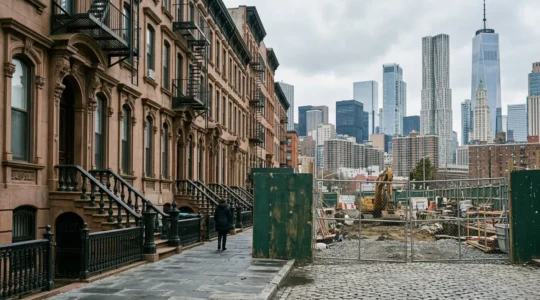
Why do historic preservation laws in New York often block essential housing development?
New York City’s historic preservation laws, designed to protect its architectural soul, are paradoxically a primary driver of its housing affordability crisis. The system creates immense “regulatory friction,” where subjective rules and bureaucratic delays actively suffocate new housing supply. This…
Read more