In summary:
- The main challenge for a solo partier is not random danger, but navigating the scene’s unwritten rules and logistical hurdles.
- True safety comes from a harm reduction mindset: proactive planning, community awareness, and having the right tools.
- Learn to vet events digitally and physically to distinguish authentic communities from risky cash grabs.
- Your attire, safety kit, and exit strategy are not just about personal safety; they are signals of your respect for the scene.
- Understanding the broader context, from art gallery pre-events to the impact of gentrification, allows for safer and more meaningful participation.
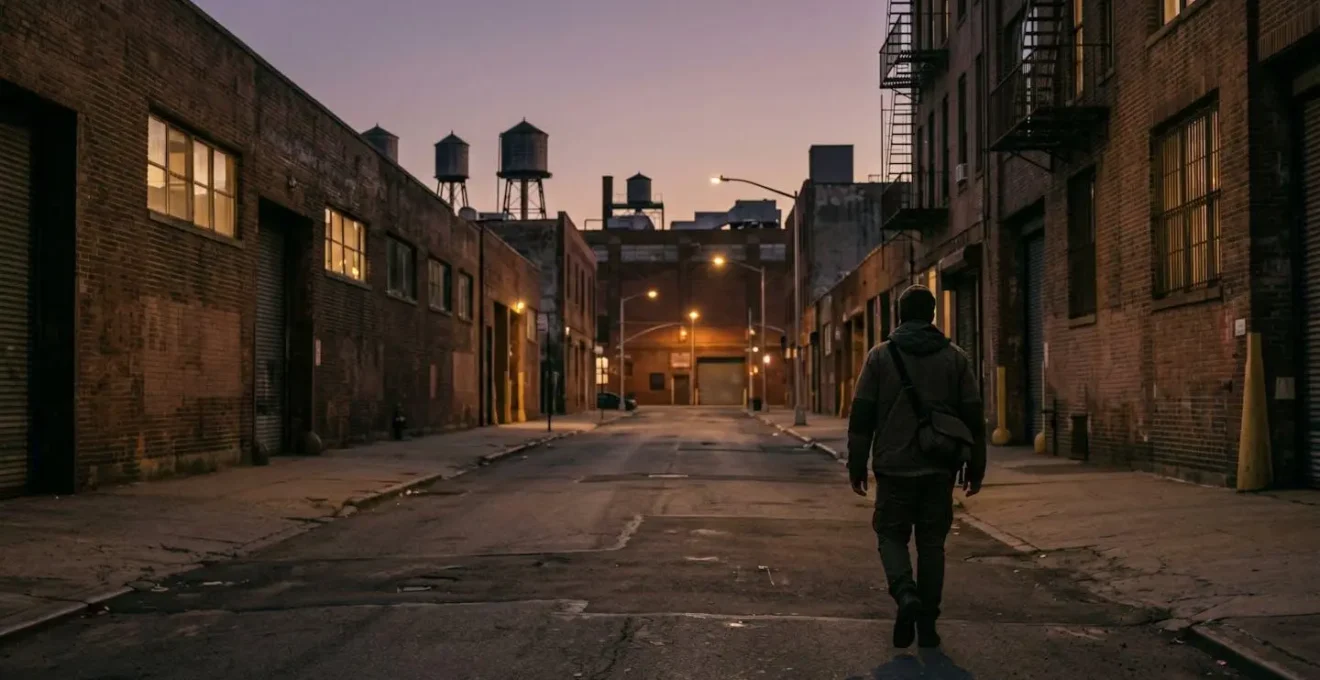
The allure of Brooklyn’s underground rave scene is undeniable: the pulsing bass in a cavernous warehouse, the promise of a night free from mainstream constraints, and a community built around music. For a solo traveler or clubber, however, this world can feel intimidating. The common advice—”don’t go alone,” “watch your drink”—while well-intentioned, often fails to address the specific challenges of a scene where locations are secret and the rules are unwritten. It presumes a passive approach to safety, one based on avoidance rather than informed engagement.
But what if the key to safety wasn’t about building walls around yourself, but about building bridges to the community? This guide shifts the perspective from fear-based prevention to proactive harm reduction. We will not focus on what to avoid, but on what to understand. The true skill for a solo attendee is developing systemic awareness—learning the social codes, logistical realities, and community signals that define these events. It’s about moving through this world not as a vulnerable outsider, but as an informed and respectful participant.
This article will provide an actionable framework for that journey. We will break down how to find and vet events, what to carry for your own safety and the community’s, how to dress for function and social integration, and how to plan a reliable exit strategy when the party ends. By embracing a harm reduction mindset, you can navigate the warehouse scene with confidence and contribute to the culture you’ve come to experience.
To help you navigate these crucial aspects, this guide is structured around the key challenges and opportunities you’ll encounter. The following sections will provide a detailed roadmap for a safe and authentic experience in Brooklyn’s underground.
Summary: A Solo Partier’s Safety Guide to Brooklyn’s Underground
- How to Find the “Location TBA” Without Knowing the Promoter
- The Safety Kit: What to Carry in Your Fanny Pack for a Warehouse Party
- Why Your Manhattan Club Attire Will Get You Turned Away in Bushwick
- Getting Home at 5 AM: Why Uber Might Cancel on You in Industrial Zones
- The Fake Warehouse Party: How to Spot a Cash Grab Event
- Thursday Night Openings: How to Drink Free Wine and Spot the Artist
- The 2 AM Session: Where Musicians Play for Each Other, Not Tourists
- Why Historic Jazz Clubs in Harlem Are Struggling to Survive Gentrification?
How to Find the “Location TBA” Without Knowing the Promoter
The “Location TBA” flyer is the first gatekeeper of the underground scene. It’s a system designed to filter out those who aren’t connected to the community. For a solo partier, cracking this code requires digital forensics and a healthy dose of skepticism. The goal isn’t just to find an address, but to vet the event’s legitimacy. An authentic event prioritizes its community’s safety through controlled information flow, while a scam or poorly run party often uses secrecy to mask its flaws. Your safety begins with this crucial vetting process.
Think of it as a hierarchy of trust. A public flyer on Instagram is the lowest tier, requiring the most scrutiny. You need to cross-reference the promoter’s history and the digital footprint of the listed DJs. Platforms like Resident Advisor offer a medium-trust layer, where you can examine a promoter’s event history and community feedback. The highest tier of trust comes from private channels like Telegram or Discord, where an invitation signifies you’re already within a vetted social circle. The key is to assess the source of the information as much as the information itself.
Here is a step-by-step process for assessing the legitimacy of an event before you even think about attending:
- Analyze the source platform: Public Instagram flyers represent the lowest trust tier, requiring extensive cross-verification of promoter history and past event digital footprints.
- Verify through medium-trust platforms: Check Resident Advisor for event legitimacy, examining promoter profile consistency, lineup credibility, and community engagement patterns.
- Access high-trust private channels: Private Telegram or Discord invitations indicate established community membership; verify through mutual connections and event history.
- Cross-reference DJ lineup authenticity: Research listed DJs on SoundCloud and Instagram; established artists with documented similar event history validate legitimacy, while an absent digital presence signals red flags.
- Apply near-field reconnaissance: Once a general location is identified, observe real-world cues: clusters of people in non-commercial attire, a discreet security presence, muffled bass frequencies, or subtle light leakage from industrial spaces.
The Safety Kit: What to Carry in Your Fanny Pack for a Warehouse Party
In the underground scene, your fanny pack or cross-body bag is not a fashion accessory; it’s a harm reduction toolkit. What you carry signals your preparedness and your commitment to community safety. This goes beyond personal items and extends to tools that can help others. The reality of any nightlife environment is that risks exist, a fact underscored by a 2022 mayoral announcement stating that one person loses their life to overdose every three hours in New York City. Carrying Naloxone (Narcan) isn’t an admission of intent; it’s a compassionate act of community care, a sign that you are an active participant in the collective well-being.
Your kit should focus on redundancy and social utility. A power bank is non-negotiable, but what about an analog failsafe? A physical note with an address and an emergency number is crucial if your phone dies or gets lost. Similarly, having a sealed water bottle is vital for hydration in hot, crowded spaces. But also consider carrying “social icebreaker” items—a pack of gum or a fan. These are low-stakes, shareable items that can initiate positive interactions and help you form a temporary buddy system, a key strategy for any solo attendee. This is not about being paranoid; it’s about being radically self-reliant and community-minded.
Your essential safety kit should contain the following components:
- Analog Failsafe: A physical paper note with your accommodation address and an emergency contact number, plus a separate $20 cash bill for transportation if digital payment systems fail.
- Harm Reduction Tools: A Naloxone (Narcan) nasal spray kit, which is available for free from NYC Department ofHealth programs. Carrying one signals community-minded safety preparedness.
- Power Redundancy: A fully charged power bank (10,000mAh minimum) with the correct charging cables for your phone model.
- Social Icebreaker Items: A pack of gum, a portable folding fan, or a lighter. These are non-valuable, shareable items that facilitate low-stakes, positive interactions.
- Hydration and Identification: A sealed water bottle upon entry (if permitted) and your ID stored in a waterproof holder within your bag.
Why Your Manhattan Club Attire Will Get You Turned Away in Bushwick
In the warehouse scene, your clothing is a form of communication. Unlike mainstream Manhattan clubs where attire is about status and flash, Bushwick’s underground values social camouflage and practicality. Showing up in designer logos, high heels, or a flashy suit doesn’t just mark you as an outsider; it signals a misunderstanding of the environment’s ethos. Security or the door person might turn you away not because of a strict dress code, but because your attire suggests you are not there for the music or the community, and could potentially be a liability or a target.
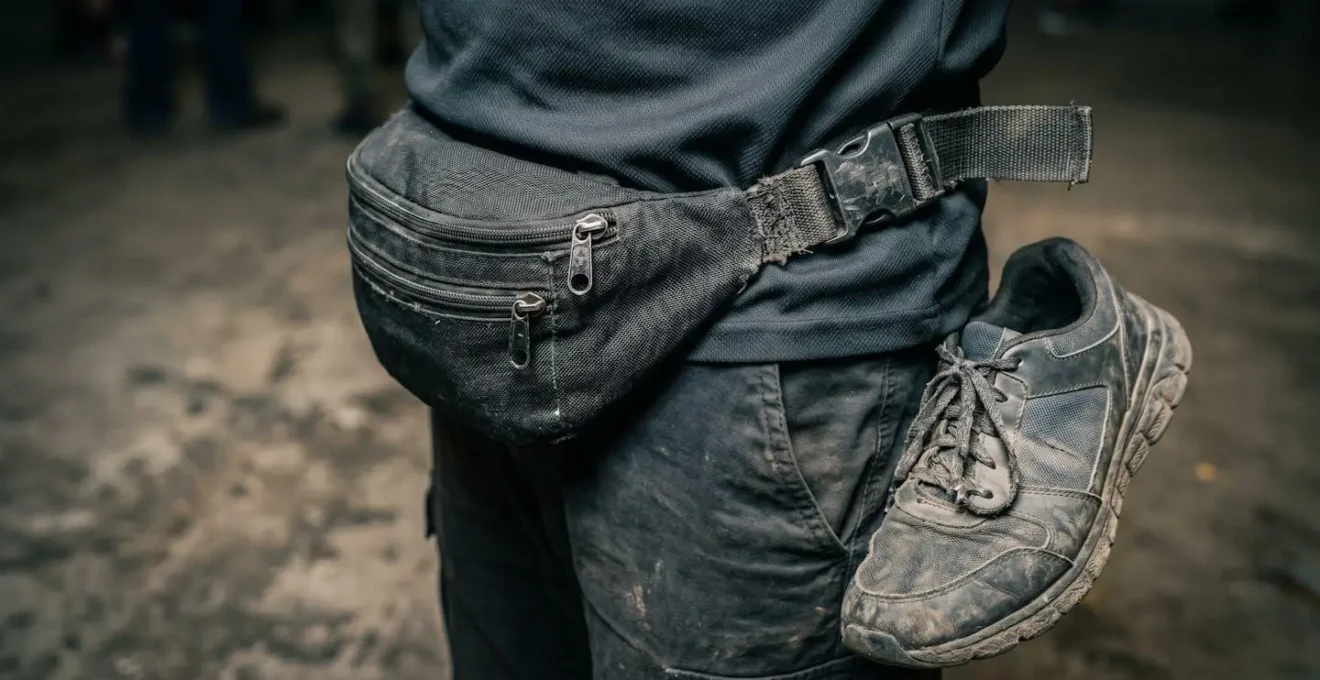
The ideal warehouse party outfit is built for a 10-hour marathon in a potentially grimy, crowded, and poorly ventilated space. This means dark, breathable fabrics that don’t show dirt, and most importantly, comfortable, closed-toe shoes you don’t mind getting destroyed. It’s about blending in, moving freely, and being prepared. A brandless black t-shirt, worn-in jeans or cargo pants, and sturdy sneakers are the unofficial uniform. This isn’t about suppressing self-expression—the underground is a haven for it—but about understanding that function precedes form. Your creativity is better expressed through your energy on the dance floor than through a luxury brand logo.
Getting Home at 5 AM: Why Uber Might Cancel on You in Industrial Zones
The party is over, the sun is rising, and your phone shows “no cars available.” This is a common and dangerous scenario for solo partiers leaving events in the industrial zones of Bushwick or East Williamsburg. Rideshare apps are notoriously unreliable here at peak exit times. Drivers often cancel rides from remote or chaotic locations because they prefer easier, more profitable fares in denser residential areas. Relying on a single app as your exit plan is a significant vulnerability. A proactive, multi-layered exit strategy is not just a convenience; it’s a critical safety measure.
Your strategy should begin before you even arrive at the venue. First, never set the exact venue address as your pickup location. This signals a potentially difficult pickup to drivers. Instead, walk a couple of blocks to a well-lit intersection with clear street signs. Second, have backup plans. Pre-identify major avenues where traditional yellow cabs are more likely to circulate after 4 AM. Third, and perhaps most importantly, save the number of a local Brooklyn car service in your phone. These services are accustomed to late-night industrial pickups and are often more reliable than apps. Finally, implement the “decompression zone” tactic: identify a nearby 24-hour diner or bodega where you can safely wait, charge your phone, and let surge pricing decrease.
A robust exit plan involves several layers of redundancy:
- Plan A – Rideshare Optimization: Set your pickup location two blocks from the venue at a well-lit intersection with clear street signage; never use the exact venue address.
- Plan B – Yellow Cab Corridor: Pre-identify major avenues like Metropolitan, Flushing, or Bedford within a 5-10 minute walk where traditional yellow cabs circulate.
- Plan C – Local Car Service: Save the phone number for an established Brooklyn car service (not app-based) before entering the event.
- Decompression Zone Tactic: Identify the nearest 24-hour diner or bodega on Google Maps before arrival; use it as a safe, lit waiting location to wait for your ride.
- Safety Protocol: Always walk confidently in well-lit areas. While waiting, position yourself near building entrances or under streetlights with clear visibility.
The Fake Warehouse Party: How to Spot a Cash Grab Event
Not all “underground” events are created equal. The proliferation of the scene has attracted opportunistic scammers who create fake or low-quality “cash grab” events. These parties prey on the enthusiasm of newcomers, often featuring high ticket prices, poor production, non-existent DJ lineups, and unsafe environments. For a solo attendee, falling for one of these can be more than just a waste of money; it can be a significant safety risk. The key to avoidance is recognizing the paradox of underground promotion: authentic events thrive on a degree of secrecy, while scams often use slick, aggressive marketing.
Be wary of events with heavy influencer marketing, professionally shot video promos, and targeted social media ads. A genuine grassroots event typically relies on word-of-mouth and trusted private channels. Another major red flag is the ticketing platform. High-priced tickets on generic sites like Eventbrite, especially when combined with vague descriptions and a “TBA” lineup, are suspicious. Reputable events use platforms like Resident Advisor or Dice.fm, which provide more promoter accountability. Finally, trust your gut and perform a community vibe check. Look at the comments and followers on social media. Are they genuine scene participants and established artists, or do they look like bots and paid promoters?
Watch out for these warning signs that an event may be inauthentic or a scam:
- Over-Promotion Paradox: Slick targeted ads, professional video promos, and heavy influencer marketing are often signs of a commercialized or fraudulent operation.
- Ticket Platform and Pricing Analysis: High-priced tickets ($70+) on generic platforms combined with vague descriptions signal a potential scam.
- Community Vibe Check: Examine social media engagement for authenticity. Look for real scene participants versus generic bot-like comments.
- Promoter History Verification: Research the promoter’s digital footprint. A lack of documented event history is a major red flag.
- Payment Method Red Flags: As noted by the Better Business Bureau, requests for wire transfers, gift cards, or cryptocurrency without official ticketing platform protection indicate a high probability of a scam.
Your Pre-Party Vetting Plan: A 5-Point Audit
- Promoter History: Does the promoter have a documented history of successful, well-regarded events on platforms like Resident Advisor or in community groups?
- DJ Lineup: Are the listed DJs real artists with a presence on SoundCloud or Instagram? Does their style match the event’s description?
- Community Engagement: Who is talking about this event online? Are they established members of the scene or anonymous/bot accounts?
- Ticketing & Price: Is the ticket price reasonable for the lineup and venue type? Is it being sold on a reputable platform that offers buyer protection?
- Information Flow: Is information being released through trusted, community-vetted channels, or is it being blasted out through public ads to anyone and everyone?
Thursday Night Openings: How to Drink Free Wine and Spot the Artist
The path to the heart of the underground doesn’t always start at a warehouse door at 2 AM. Often, it begins in the well-lit, civilized environment of a Thursday night art gallery opening in Bushwick or Williamsburg. These events function as the unofficial “lobbies” of the electronic music scene. They are crucial, low-stakes environments for a solo person to safely observe community dynamics, network, and gather intelligence about the night’s legitimate after-parties. Here, promoters, DJs, and core community members mingle openly, offering a chance to vet social circles before committing to a more intense, isolated setting.
The strategy is simple: show up, be respectful of the art, and listen. You will often find DJs on the bill for a gallery opening who are also playing a late-night set elsewhere. Promoters frequently use these public gatherings to hand out wristbands or share details for their main event. It’s a space where you can turn from a complete unknown into a familiar face. This pre-game ritual builds a layer of social connection that is invaluable for a solo attendee. It transforms your entry into the rave from a cold approach to a warm hand-off, greatly increasing your comfort and safety. The free wine is just a bonus.
Case Study: Gallery Openings as Underground Scene Entry Points
As documented in a profile for Musée Magazine, Chilean photographer Igal Albala successfully immersed himself in Brooklyn’s underground rave scene by first frequenting the art gallery ecosystem. His work reveals that these openings serve as strategic pre-game environments where individuals can vet promoter social circles and gather information about authentic late-night events in a safe, public setting before committing to less structured warehouse parties.
The 2 AM Session: Where Musicians Play for Each Other, Not Tourists
Beyond the main warehouse event lies an even more intimate layer of the scene: the after-hours session. This is where, after the main party winds down, a select group gathers in a loft or studio space. Here, the dynamic shifts. This is no longer a performance for a crowd, but a communal act of creation where musicians play for each other. Gaining access to these sessions is the ultimate sign of trust and integration into the community. For the solo partier, it represents the pinnacle of the journey—moving from spectator to a welcome presence in the inner circle.
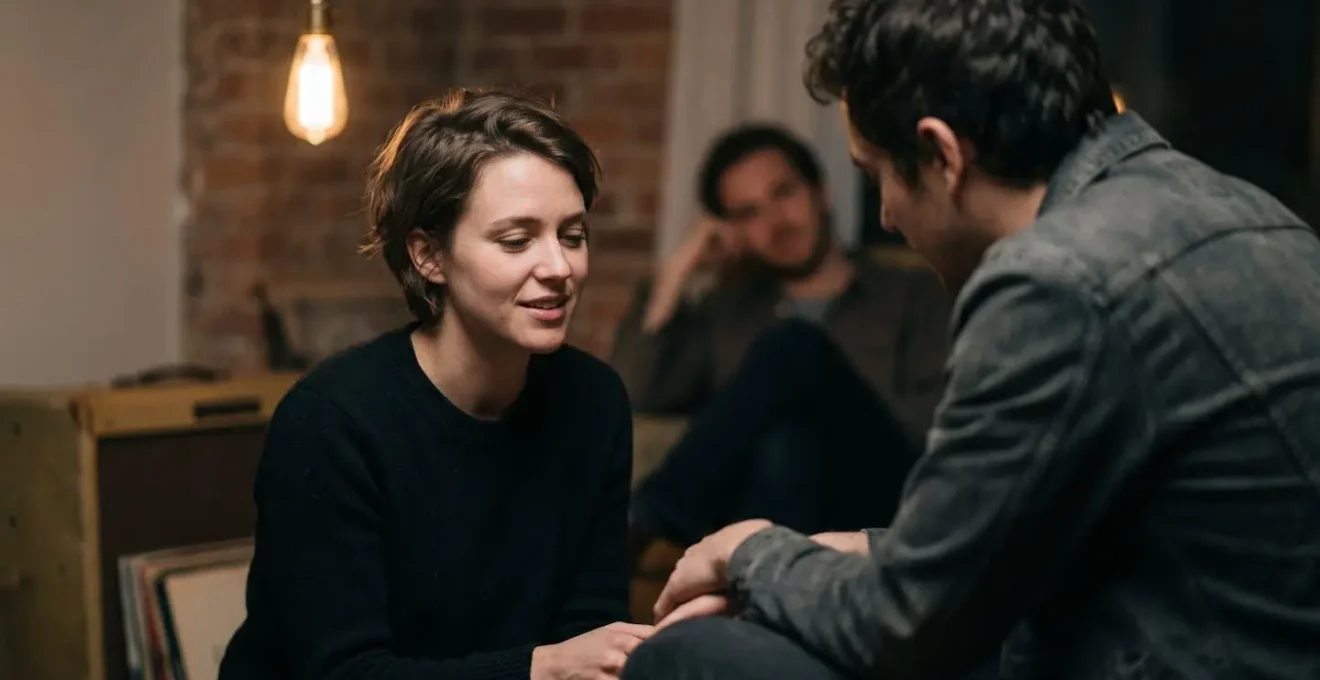
These spaces are not found on any map or flyer. Entry is solely through personal invitation, extended to those who have demonstrated respect, genuine passion for the music, and a positive, non-intrusive presence. It’s the culmination of all the principles discussed: dressing appropriately, engaging in low-stakes social interactions, and showing you understand the community’s ethos. Being in such a space is a privilege, a moment of shared intimacy and authentic connection that stands in stark contrast to the anonymity of a large rave. It’s here that the true spirit of the underground—collaboration, passion, and community—is most palpable.
Key takeaways
- True safety is proactive, not passive. It’s about systemic awareness and harm reduction, not just avoidance.
- Your toolkit, from Naloxone to a backup car service number, is for both your safety and the community’s well-being.
- Integration is key. Use art openings to vet the scene and dress to signal respect for the community’s functional ethos.
Why Historic Jazz Clubs in Harlem Are Struggling to Survive Gentrification?
While seemingly a world away from a Bushwick warehouse, the struggle of historic jazz clubs in Harlem offers a vital perspective on the fragility of all authentic music scenes in New York City. The same economic forces of gentrification that push up rents and displace residents in Harlem are at play in the industrial zones that house the underground rave scene. When property values rise, landlords are less willing to tolerate the noise, crowds, and legal ambiguity of a warehouse party. The struggle of one scene is a warning for the other. This isn’t a separate issue; it is the broader socio-economic context in which all underground culture exists.
Research on gentrification’s impact on music venues shows a clear and destructive pattern, a crisis mirrored in other cities where studies document how 35% of live music venues closed in London over a ten-year period. These closures are not just business failures; they are the erasure of cultural infrastructure. For both jazz and electronic music, the venue is more than a building; it’s a community center, a creative laboratory, and a repository of cultural history. The loss of these spaces leads to a more sterile, commercialized, and less diverse cultural landscape.
Gentrification needs to be understood as a broader social, economic, and cultural process in which popular music cultures have changed.
– Fabian Holt, in an IASPM Journal article on Rock Clubs and Gentrification in New York City
Understanding this threat adds a final, crucial layer to the harm reduction mindset. Being a responsible participant means not only ensuring your own safety but also supporting the long-term health of the scene. This involves patronizing events that treat artists fairly, respecting the physical spaces, and being mindful of the community’s relationship with its neighbors. The survival of these vibrant subcultures depends on the collective awareness and responsibility of its participants.
Apply these principles of awareness and harm reduction not only to ensure your personal safety but also to contribute positively and sustainably to the creative scenes you choose to explore.