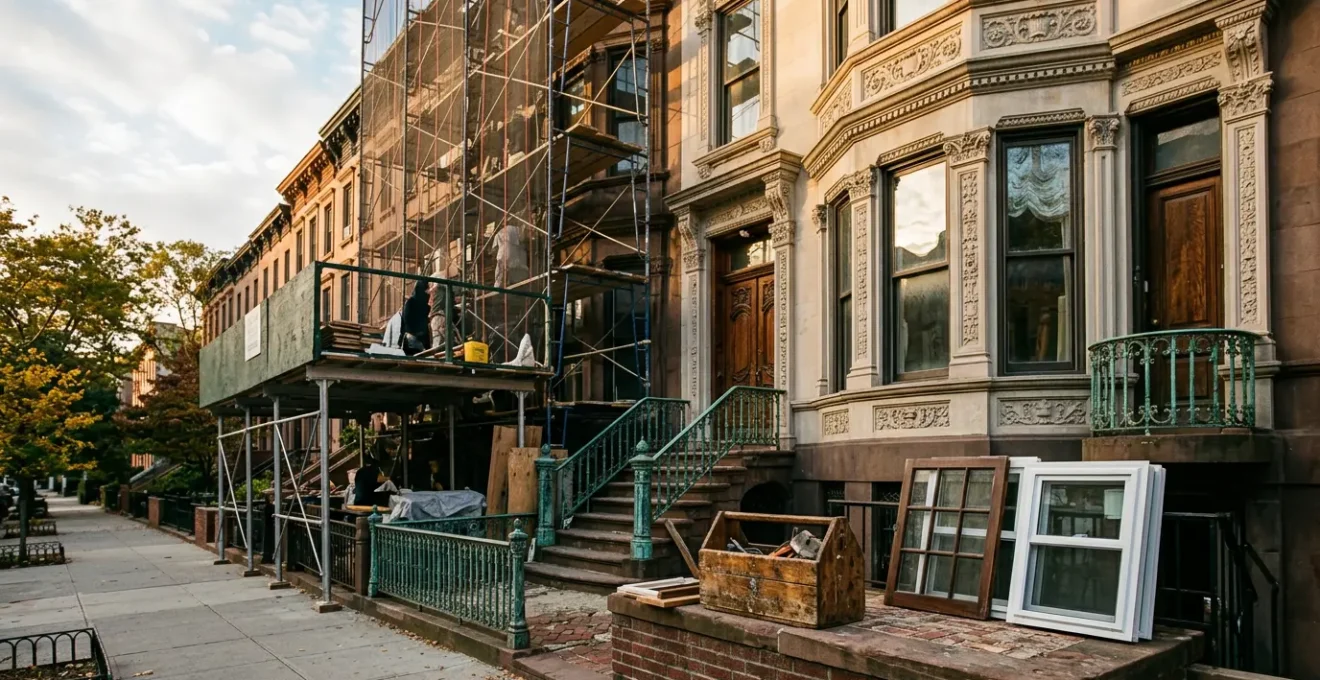
That shockingly high renovation quote for your historic property isn’t an error; it’s the price of authenticity, labor scarcity, and regulatory oversight.
- Material costs are higher because preservation rules mandate period-accurate supplies, not modern, mass-produced equivalents.
- The pool of artisans skilled in traditional trades like plastering or sash window repair is shrinking, creating a labor premium.
Recommendation: Instead of fighting the process, understand these “hidden” costs to budget realistically and protect your long-term investment.
You fell in love with the story, the character, the irreplaceable charm of a historic home. Then the first renovation quote landed on your kitchen table, and the romance came to a screeching halt. The number is likely 30% or more than you expected, and you’re wondering if the contractor is taking you for a ride. As a restoration contractor myself, let me be frank: that number is probably right. The shock you’re feeling is real, but it’s based on a misunderstanding of what you’re actually paying for.
Most property owners think of renovation as swapping old for new. But in a historic district, you’re not just renovating; you’re participating in a curated act of preservation. The standard advice to “get three quotes” or “use modern, energy-efficient materials” often doesn’t apply. The process is governed by a different set of rules—and costs—dictated by preservation commissions, material science, and the disappearing skills of true artisans. This isn’t about simply making a house livable; it’s about being a steward of its history.
But if the real issue isn’t a greedy contractor, what is it? The premium you’re paying is a direct reflection of three core forces: the mandate for material authenticity, the scarcity of specialized labor, and the non-negotiable oversight of preservation commissions. This guide isn’t here to tell you it’s cheap. It’s here to pull back the curtain and show you exactly where each dollar of that “heritage tax” goes, so you can move from sticker shock to strategic investment.
This article will break down the specific challenges and costs you’ll face, from windows and air conditioning to the steep penalties for cutting corners. By understanding the ‘why’ behind the price, you can plan your project with clarity and confidence. The following sections explore the key areas where history and modernization collide.
Summary: The Realities of Renovating a Historic Property
- Why You Can’t Use Home Depot Windows in a Historic District
- Central A/C in a Brownstone: How to Hide Ducts Without Ruining Crown Molding
- The $5,000 Mistake: Penalties for Unpermitted Facade Work
- Does Historic Status Increase Property Value Enough to Offset the Maintenance?
- The Lost Arts: Why It’s Hard to Find a Plasterer in 2024
- Why You Can’t Just Change Your Front Door Color in a Historic District
- How the LPC Decides What Gets Saved and What Gets Demolished
- Why Historic Preservation Laws in New York Often Block Essential Housing Development?
Why You Can’t Use Home Depot Windows in a Historic District
Let’s start with the most common battleground: windows. A homeowner sees a drafty, single-pane sash window and thinks “replacement.” A preservation commission sees the home’s original eyes. You can’t just install a standard vinyl window because it fundamentally lacks material authenticity. Historic windows were made of old-growth wood, with specific dimensions (muntins, sills) and wavy, imperfect glass that refracts light in a unique way. A modern vinyl window with a snap-in grille is a flat, lifeless imitation.
This commitment to authenticity has a clear price tag. The cost to professionally restore a single historic wood window can be $1,000 or more per window, whereas a new vinyl replacement might cost only a few hundred dollars. The cost isn’t just about the material; it’s about the painstaking, skilled labor required to remove, strip, repair, reglaze, and weather-strip the original unit. You’re paying for craftsmanship, not just a product.
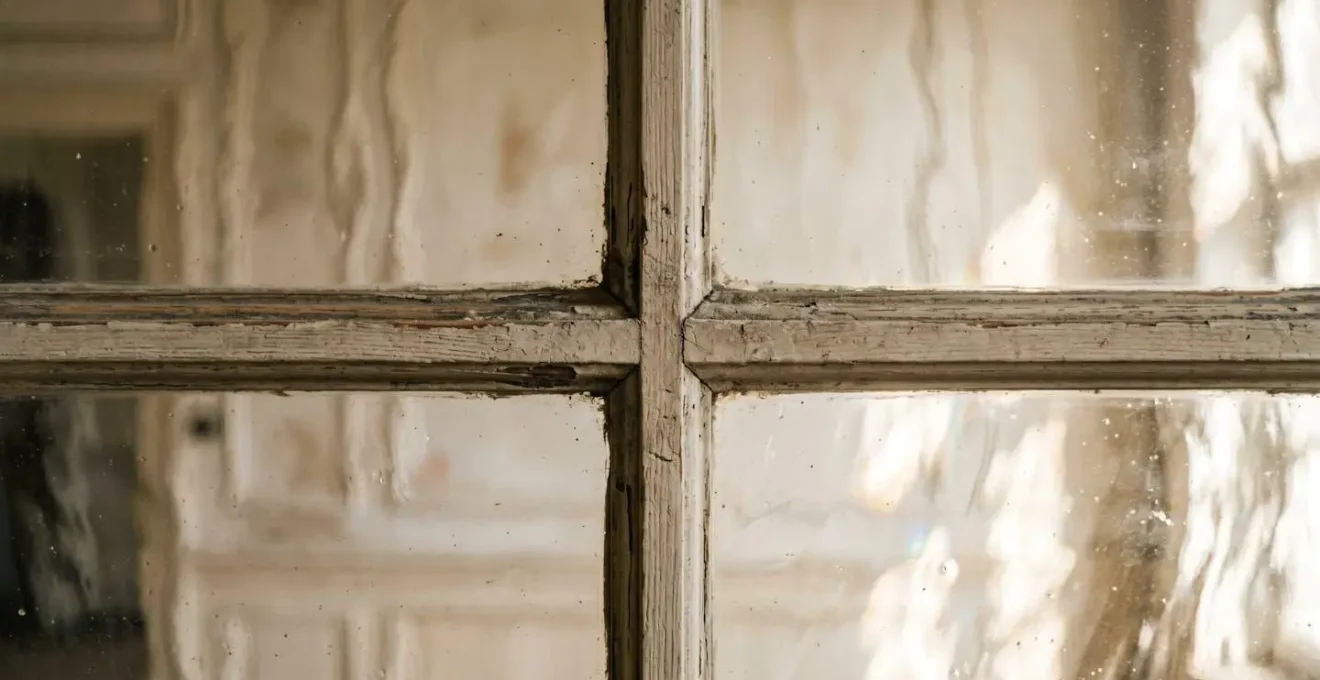
While the initial cost seems high, restoration is often the smarter financial move in the long run. Restored wood windows, properly maintained, can last another century. Vinyl windows have a lifespan of 15-20 years before the seals fail and the plastic degrades. They are, in essence, a disposable product.
Case Study: The Victorian Window ROI
A community group faced a choice for a Victorian home: replace two large original windows with four modern vinyl units for $3,800, or fully restore the originals for just $1,580. They chose restoration. Not only did it cost less than half, but it preserved the home’s architectural integrity. The restored windows are now expected to last 100 years, compared to the 14-year lifespan of the proposed vinyl replacements, all while achieving similar energy efficiency thanks to proper weatherization.
Central A/C in a Brownstone: How to Hide Ducts Without Ruining Crown Molding
Modern comfort is non-negotiable for most homeowners, but how do you introduce a 21st-century system like central air into a 19th-century building never designed for it? This is where renovation becomes a surgical procedure. The biggest challenge in a brownstone or other historic structure is running ductwork without destroying irreplaceable plaster walls and ornate crown molding. Tearing through original details is a cardinal sin in preservation, and your commission will never approve it.
Fortunately, specialized solutions exist, though they come at a premium compared to standard new-construction HVAC. The key is to find pathways that are invisible or minimally invasive. Three primary strategies are used by restoration specialists:
- High-Velocity Systems: These use small, 2-inch flexible ducts that can be snaked through joist bays, inside closet walls, or behind baseboards. Their small footprint allows them to be threaded through the building’s existing cavities, preserving the ceilings and walls of your main living spaces.
- Ductless Mini-Splits: By placing individual wall or ceiling units in different zones, you eliminate the need for extensive ductwork altogether. These systems connect to an outdoor condenser via small refrigerant lines that only require a small-diameter hole in an exterior wall, often hidden on a secondary facade.
- Strategic Camouflage: When some ductwork is unavoidable, the art is in hiding it. We often route ducts through hallways or non-public spaces, or conceal them within new built-in elements like bookcases or window seats that feel appropriate to the home’s character.
These sophisticated solutions are effective but costly. While a standard HVAC system for a new home might cost $10,000, installing a multi-zone system in a historic property is a far more complex job. For a typical three or four-story brownstone, industry professionals estimate the cost can range from $30,000 to $100,000. You’re paying for the engineering and careful installation required to make the system disappear.
The $5,000 Mistake: Penalties for Unpermitted Facade Work
If the high cost of doing things the right way tempts you to cut corners, take a deep breath and reconsider. The “ask for forgiveness, not permission” approach can be a financially catastrophic mistake when dealing with a historic property. Preservation commissions have significant enforcement power, and the penalties for unpermitted work go far beyond a slap on the wrist. That “quick” facade change could become your biggest and most expensive regret.
When a neighbor reports unpermitted work (and they will), the city will issue a Stop-Work Order, freezing your project instantly. This is followed by a cascade of costs: legal fees, initial fines that can easily reach five figures, and often an order to demolish the unapproved work and restore the property to its original condition at your own expense. In some jurisdictions, the financial penalties are severe. For example, a proposed San Francisco ordinance establishes fines up to $500,000 for significantly altering a registered historic property. This regulatory friction is a key driver of total project cost and timeline.
The penalties aren’t just financial. An unpermitted work violation can become a permanent red flag on your property’s records, creating major headaches when you try to sell. To avoid this nightmare, treat the permit process not as a hurdle, but as the first and most critical step of your project.
Action Plan: Your Pre-Work Permit Checklist
- Verify District Status: Check your local preservation office or landmarks commission website to confirm if your property is in a designated historic district and review the boundary maps.
- Review Design Guidelines: Download and read the specific guidelines for your district. These documents are your rulebook, outlining what changes require approval, prohibited materials, and acceptable color palettes.
- Schedule a Pre-Application Consultation: Before hiring anyone or buying materials, contact your preservation office for a brief consultation. This 15-minute call can save you months of delays and thousands of dollars.
- Understand the True Cost of Non-Compliance: The timeline is brutal: Stop-Work Order → Legal Fees → Initial Fine ($10,000+) → Demolition of Unapproved Work → Cost of Re-doing Work Correctly → Permanent Red Flag on Property Records.
- Factor in Time: The approval process itself takes time. Submit your application with detailed plans well before you intend to start work. Assume it will take longer than you think.
Does Historic Status Increase Property Value Enough to Offset the Maintenance?
After reading about costly windows, complex HVAC, and massive fines, you’re probably asking the million-dollar question: is it worth it? Does owning a home in a historic district provide a financial return that justifies the added expense and hassle? The data overwhelmingly says yes. Historic designation acts as a powerful economic anchor, stabilizing neighborhoods and driving long-term appreciation.
Historic districts tend to hold their value better during market downturns and appreciate more steadily over time. This is the concept of “defensive value.” The design guidelines that feel restrictive when you want to change a window are the very same rules that prevent your neighbor from building a monstrous, incompatible addition that tanks the whole street’s property value. It’s a form of collective insurance for character and quality. The numbers back this up. One study of Saratoga Springs found that historic districts had 2.5 times the assessed value per acre compared to the rest of the city. This isn’t just about individual homes; it’s about the economic power of a cohesive, well-preserved neighborhood.
This resilience was clearly demonstrated in Austin’s Swedish Hill Historic District. Since 2000, it appreciated more than any other neighborhood in the metro, with home prices rising nearly ninefold. Crucially, it was one of the few areas where values continued to rise even as the broader luxury market declined, proving the defensive power of historic designation during uncertain times. As Emily Waldmann, an agent specializing in significant properties, notes, the scarcity and timeless appeal of these homes create their own market logic.
Historic homes tend to perform better long-term. If [a] home that’s really special, that’s been around for a hundred years, finally hits the market—and this is your one chance before it switches ownership for another 30 years—you’re more likely going to swing the bat.
– Emily Waldmann, Douglas Elliman agent specializing in architecturally significant properties, The Real Deal Magazine, February 2026
The Lost Arts: Why It’s Hard to Find a Plasterer in 2024
A major component of your high renovation quote isn’t about the materials; it’s about the people. Modern construction is based on speed and mass-produced materials like drywall. The skills required to work with traditional materials—horsehair plaster, hand-planed wood, lime mortar—are disappearing. This labor scarcity premium is a huge driver of cost in restoration projects. You’re not just hiring a “drywall guy”; you’re seeking out a true artisan.
These tradespeople are artists who have dedicated their careers to understanding how old buildings were made and how they breathe. They know how to repair a crumbling plaster ceiling medallion, not just tear it out. They can replicate a custom molding profile by hand. Because there are so few of them, their time is incredibly valuable. This dynamic flips the typical cost structure of a project on its head. In modern construction, materials are often the biggest line item. In restoration, it’s the labor. In fact, restoration contractors report that labor can account for as much as 92% of the cost of a project like window restoration, with materials making up just 8%.
Finding and vetting these artisans is one of the most critical jobs of a restoration contractor. A general contractor might not know who to call. A qualified specialist has a “rolodex” of trusted plasterers, masons, and decorative painters. When you hire, you need to go beyond standard questions. Ask for a portfolio of work on homes from the same era as yours. Ask for their philosophy on repair versus replacement. The right answer should always be “repair whenever possible.” Consider paying for a consultation walkthrough before committing to a full project; an expert who can identify hidden issues early can save you a fortune down the road.
Why You Can’t Just Change Your Front Door Color in a Historic District
To an owner, a front door is a chance for personal expression. A bright yellow door can be a cheerful welcome. To a historic district commission, however, that door is a key component of the building’s historical narrative, and its color is a chapter in that story. The commission’s control over something as seemingly minor as paint color stems from a deep-seated philosophy: to preserve the authentic character of the district as a whole. This isn’t about your personal taste; it’s about historical accuracy.
Historic paint colors were not arbitrary. They were dictated by the pigments available at the time—mineral and earth-based compounds that produced a specific, limited palette of ochres, reds, and muted greens and blues. A neon pink or brilliant modern white simply did not exist and would be jarringly out of place. The commission’s goal is to maintain a historically appropriate streetscape, and that means guiding color choices back to what would have been contextually possible. This isn’t to say you are stuck with a single, boring color. The goal is to work within a historically informed palette.
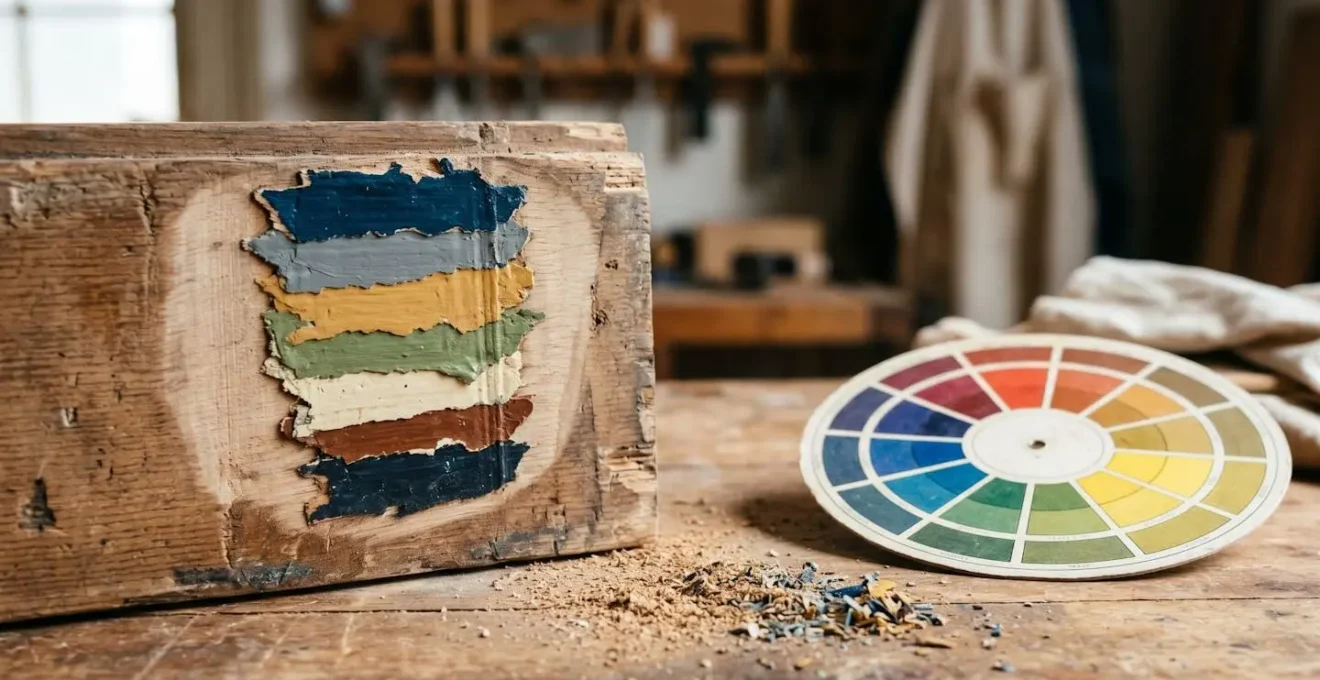
Instead of seeing this as a restriction, you can approach it as a detective. Your home contains its own color history, buried under decades of paint. By carefully investigating, you can uncover the original palette and make a powerful case to the commission. Here is how you can perform your own “paint archaeology”:
- Select an Inconspicuous Test Area: Choose a spot that’s protected from the elements and not highly visible, like the inside edge of a shutter or door jamb.
- Carefully Sand Through the Layers: Using fine-grit sandpaper, gently sand the area to reveal the distinct layers of paint in cross-section. You’ll be amazed at the history you uncover.
- Document Your Findings: Photograph each revealed layer in good light. This visual evidence of your home’s “color archaeology” is your best tool.
- Cross-Reference with Historical Charts: Take your findings to heritage paint brands that have curated historical color collections. They can help you match the uncovered pigments to period-appropriate modern paints.
By presenting this research to your commission, you are no longer just asking to paint your door yellow; you are presenting evidence that a specific shade of ochre was part of your home’s original story. You are speaking their language.
How the LPC Decides What Gets Saved and What Gets Demolished
The decisions of a Landmarks Preservation Commission (LPC) can seem opaque and arbitrary from the outside. Why was the grand old theater on Main Street saved while the similar-looking bank next door was allowed to be demolished? The answer lies in a structured evaluation process, often referred to as the “decision-making triangle.” Commissioners are not just ruling based on personal taste; they are weighing a building against a set of core criteria.
For a building to be considered worthy of the significant protections (and costs) of landmark status, it must be strong in at least two of these three areas:
- Architectural Significance: Is the building an exceptional example of a particular style (e.g., a perfect Art Deco skyscraper)? Does it exhibit unique design or superior craftsmanship? Is it the work of a master architect? This is about the physical artistry of the structure itself.
- Historical/Cultural Significance: Is the building associated with a major historical event, a significant cultural movement, or an important person? Was a treaty signed here? Did a famous artist live here? This criterion links the building to the intangible narrative of a community or nation.
- Structural/Economic Viability: Is the building in a condition where preservation is feasible? Can it be adapted for a new use without destroying its essential character? A building that is structurally sound and has a clear path to economic self-sufficiency is a much stronger candidate for preservation.
This framework explains many seemingly contradictory decisions. A beautiful Gilded Age mansion with incredible architectural detail but no historical associations and a crumbling foundation (strong only in Architecture) may be lost because the cost of restoration is prohibitive. Conversely, a plain, architecturally unremarkable warehouse (weak in Architecture) that is structurally sound and happens to be where a pivotal labor movement was founded (strong in Historical Significance and Viability) is very likely to be saved. Understanding this calculus helps property owners see their buildings through the eyes of the commission.
Key Takeaways
- Historic renovation costs are driven by mandated material authenticity, not just age.
- The shrinking pool of skilled artisans (plasterers, masons) creates a significant labor premium.
- While expensive, historic designation provides a “defensive value,” protecting property values during market downturns.
Why Historic Preservation Laws in New York Often Block Essential Housing Development?
Zooming out from an individual project, it’s impossible to ignore the broader debate surrounding preservation, especially in dense urban areas like New York. The critique is common: do historic preservation laws, by freezing large swaths of the city in time, act as a barrier to building much-needed new housing? The argument is that designating low-density historic districts prevents the development of taller, more efficient apartment buildings that could alleviate a housing crisis. There is some truth to this tension. Preservation is, by its nature, an anti-growth mechanism at the individual lot level.
However, this perspective often misses the other side of the economic coin. While preservation may block density on one specific block, it creates enormous value and stability for the district as a whole, which can encourage development in adjacent areas. The very rules that prevent a 40-story tower from replacing a row of brownstones also ensure the neighborhood remains a desirable, stable, and high-value place to live. This stability is a powerful economic draw.
Furthermore, the idea that historic homes don’t contribute to the housing market is a misconception. They are a critical part of the existing housing stock, and their value often appreciates at or above the market rate. As the Raleigh Realty research team points out, preservation is also a defense against incompatible development that could harm long-term value.
Historic homes in well-maintained historic districts often appreciate at rates equal to or exceeding comparable modern properties. Additionally, historic homes in designated districts tend to be protected from incompatible development, which helps maintain neighborhood character and property values.
– Raleigh Realty preservation research team, 10 Pros and Cons of Buying a Historic Home, Raleigh Realty
For the individual homeowner, this macro debate reinforces the core investment thesis. You are subject to strict rules, but in exchange, you are granted a level of protection from market volatility and undesirable change that owners in non-designated areas do not have. Your property is part of a larger, curated ecosystem that is designed to endure.
By understanding that the higher cost is a direct investment in authenticity, craftsmanship, and long-term value, you can approach your renovation not with shock, but with the informed strategy of a true steward. To put these principles into practice, the next logical step is to secure a team that speaks the language of preservation and can navigate the process for you.