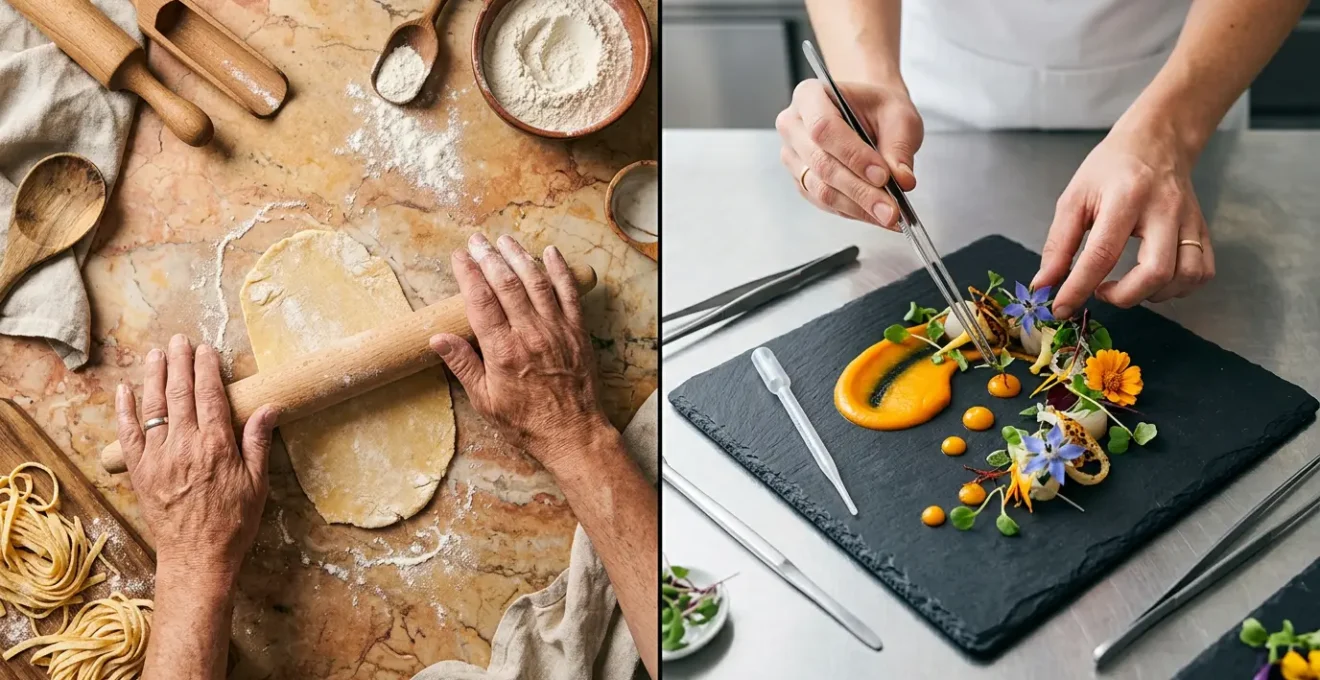
True culinary authenticity in NYC is not found by following crowds or reading surface-level reviews, but by deconstructing a restaurant’s non-negotiable core principles.
- Authenticity is proven by verifiable ingredient provenance and unimpeachable technique, not by curated decor or generic, Anglicized menus.
- The higher cost of genuine dishes is a direct reflection of superior, non-scalable craft and sourcing—an authenticity tax you should be willing to pay.
Recommendation: Stop asking what’s popular; start investigating who is cooking, where they buy their ingredients, and what dishes they refuse to compromise on.
You have been deceived. That picturesque meal in Little Italy, the one with the checkered tablecloth and the giant pepper grinder, was likely a pantomime of Italian cuisine, not the real thing. New York City, a global culinary crossroads, is also a minefield of ersatz international food designed for undiscerning palates. The average diner, guided by online ratings and proximity to landmarks, is an easy mark for restaurants that prioritize aesthetic mimicry over genuine substance. The result is a dispiriting chase for an authentic experience that ends in a plate of something bland, overpriced, and culturally hollow.
The common advice—go to ethnic neighborhoods, look for crowds—is fatally flawed. These are heuristics for tourists, not tools for a purist. The truth is that authenticity is not a feeling or an aesthetic. It is a set of rigorous, uncompromising standards that are often invisible to the untrained eye. It hides in plain sight, in the invoices for imported San Marzano tomatoes, in the calloused hands of a third-generation pasta maker, and in the brusque, transactional service of a basement shop that has no time for pleasantries because its product is the only thing that matters.
But if the real markers of authenticity are not about what a restaurant looks like, but how it operates, then how can you, the discerning diner, learn to see them? This guide abandons the platitudes. It will not tell you to “look for a line.” Instead, it will arm you with a critic’s toolkit to dissect a restaurant’s operation from three crucial perspectives: the integrity of its ingredients, the pedigree of its chef, and the unadulterated soul of its culinary tradition.
This framework will allow you to navigate New York’s complex culinary landscape with precision. The following sections break down the specific signals, questions, and observations that separate the truly authentic from the tourist traps, ensuring your next meal is not just a transaction, but a genuine connection to a culture.
Contents: The Purist’s Gauntlet to NYC Dining
- The “Red Sauce” Trap: How to Spot Fake Italian Restaurants in Little Italy
- Where NYC Chefs Buy Their Spices: The Markets You Walk Past
- Who is Cooking Your Food? The Importance of Chef Lineage
- Why Authentic Ingredients Cost More Than the Dollar Slice
- The Best Basement Dumpling Shops in Chinatown Only Locals Know
- The 5 Dishes You Must Try Before You Get Full (and What to Skip)
- Where to Buy Fresh Mozzarella That Was Made This Morning
- 5 Gastronomic Experiences in NYC That Are Actually Worth the 2-Hour Wait?
The “Red Sauce” Trap: How to Spot Fake Italian Restaurants in Little Italy
Little Italy is less a neighborhood and more a historical diorama, sustained by tourism, not tradition. The “Red Sauce” restaurant is its primary exhibit: a caricature of Italian-American dining that bears little resemblance to the regional, ingredient-driven cuisine of Italy. These establishments thrive on tourist trap tropes—generic menus featuring “Spaghetti and Meatballs” and “Fettuccine Alfredo,” Chianti bottles in straw baskets, and effusive hosts beckoning you from the sidewalk. This is culinary theater, and you are the audience being sold a fiction.
A truly authentic Italian restaurant operates on a different principle: specificity. It doesn’t serve “Italian food”; it serves the food of a specific region, like Lazio or Sicily. The menu is a testament to this, listing dishes with their proper Italian names and rarely offering translations for items that a non-Italian palate might find challenging. The bread is crusty and served with high-quality, peppery olive oil, not foil-wrapped butter pats. These are not aesthetic choices; they are declarations of identity. To navigate this terrain, you must learn to read these signals and interrogate what is presented to you.
Your Action Plan: Identifying Inauthentic Italian Restaurants
- Check the menu for regional specificity: Authentic restaurants specify regional dishes like ‘Cucina Romana’ or list hyper-regional items such as ‘Pizzoccheri alla Valtellinese’ rather than generic ‘Fettuccine Alfredo’.
- Observe the bread and olive oil service: Authentic establishments serve high-quality crusty bread with genuinely fruity, peppery extra virgin olive oil, not stale bread with butter packets.
- Decode the decor signals: Avoid restaurants with oversized pepper grinders, generic Colosseum photos, or decorative Chianti bottles in straw baskets—all tourist-focused tropes.
- Test with a carbonara order: A true Roman-style carbonara uses guanciale (not bacon), pecorino (not parmesan), and egg yolk (never cream).
- Look for family-owned multi-generational operations: Restaurants that have maintained strong Italian hospitality traditions for decades are a more reliable bet.
Case Study: Casa D’Angelo
Casa D’Angelo on Mulberry Street serves as a prime example of an establishment that transcends the neighborhood’s tourist-trap reputation. A family-owned operation, its authenticity is rooted in a commitment to craft. The head chef, hailing from Italy, insists on fresh, locally sourced ingredients and, most critically, homemade pasta made fresh daily. Their famous Cheese Wheel Pasta with Truffle is not a gimmick but a demonstration of traditional technique and quality ingredients. The presence of Italian-speaking staff further solidifies an experience grounded in genuine hospitality, not performance.
Where NYC Chefs Buy Their Spices: The Markets You Walk Past
The soul of a dish is often found in its aromatics, and the quality of spices is a non-negotiable component of authentic cooking. While lesser kitchens rely on pre-ground, mass-market spices that have sat on a shelf for months, losing their volatile oils and complexity, discerning chefs understand that ingredient provenance begins at the source. They do not buy their spices at the supermarket. They cultivate relationships with specialty purveyors who deal in whole spices, freshly ground blends, and rare imports that are essential to recreating a dish’s true flavor profile.
You walk past these places every day. They are the unassuming storefronts in Curry Hill or the a-linguistic, packed-to-the-rafters shops on Atlantic Avenue. They are destinations like Kalustyan’s, a veritable library of global flavors where a chef can procure everything from Syrian Aleppo pepper to whole, hand-picked saffron threads. A restaurant’s choice to source from such an establishment, rather than a bulk food service, is a direct investment in authenticity. It’s a commitment to flavor integrity that will be evident in the final dish, long before it reaches your table.
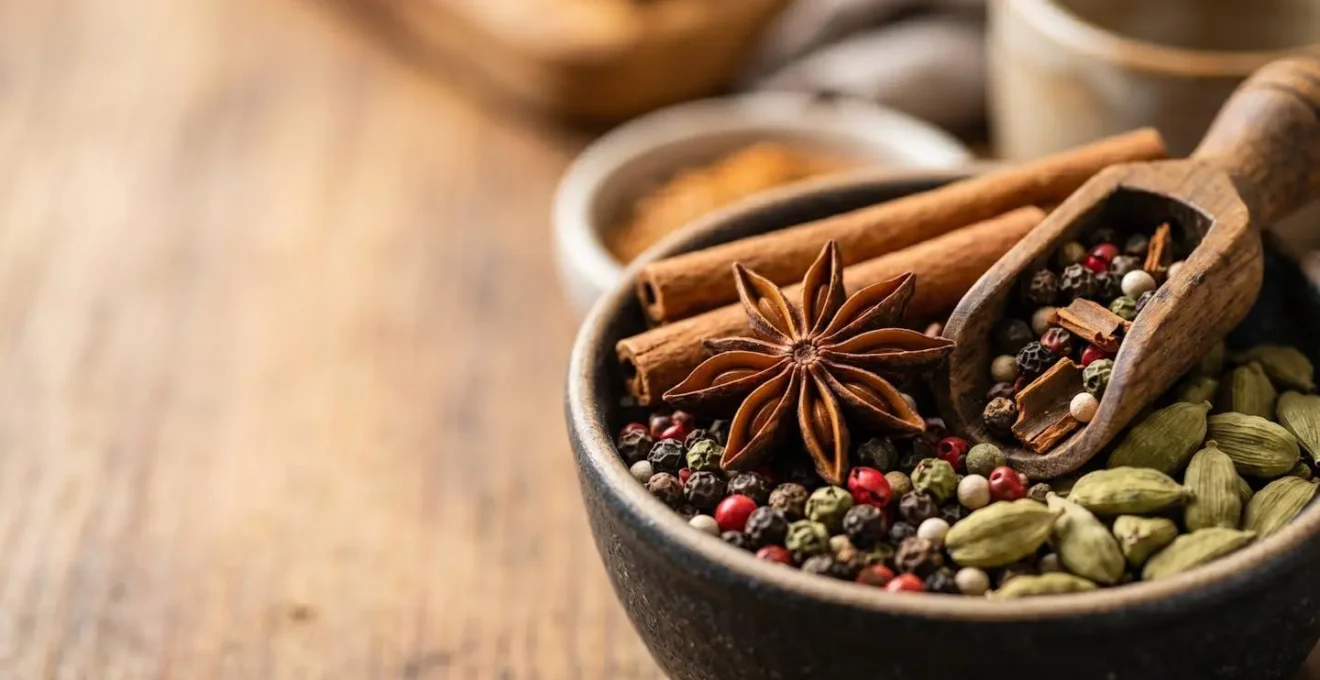
The visual and aromatic vibrancy of a market dedicated to spices is a sensory lesson in quality. This is where flavor is born, not manufactured. As the NYC Kitchen editorial team notes in their guide to the city’s best spice shops, these are more than stores; they are institutions.
Among New Yorkers who love to cook, this is a beloved NYC institution and it’s no mystery why: Kalustyans sells every spice under the sun and then some.
– NYC Kitchen editorial team, NYC Kitchen spice shop guide
Who is Cooking Your Food? The Importance of Chef Lineage
An authentic dish is more than a recipe; it is the physical embodiment of learned technique and cultural knowledge. This is why the single most important question you can ask about a restaurant is not “What’s on the menu?” but “Who is in the kitchen?” The concept of chef lineage—the training, experience, and cultural background of the person cooking your food—is the bedrock of authenticity. A cook who follows a recipe is a technician. A chef who understands the history, science, and soul of a dish is a custodian of culture.
This distinction is crucial. Many kitchens are staffed by line cooks with generalized skills, capable of executing a wide range of tasks but masters of none. A chef dedicated to a specific cuisine, however, possesses what can only be called unimpeachable technique. This is the muscle memory developed over years of pleating the same style of dumpling, the intuitive understanding of wok hei, or the precise feel of perfectly kneaded pasta dough. This is knowledge that cannot be quickly learned or easily scaled. It is passed down through apprenticeships, family traditions, or rigorous classical training.
As one culinary expert explains in a discourse on the depth of professional chef training, the chasm between a casual cook and a true chef is vast.
Real chefs work for years to expand their skills, their knowledge of classical sauces, preparations, cooking techniques, styles, nationalities, traditions, butchering, menu writing.
– Quora culinary education expert, Quora discussion on chef training types
Therefore, when you see a restaurant helmed by a chef with a documented history in their professed cuisine—whether from a specific region of Mexico, a particular school of sushi in Japan, or a family of bakers in Lebanon—you are looking at a powerful indicator of authenticity. It is a sign that the food is not an interpretation, but a transmission.
Why Authentic Ingredients Cost More Than the Dollar Slice
The purist diner must accept a hard truth: authenticity has a price. The dollar slice of pizza and the 99-cent dumpling are marvels of economic efficiency, but they are not benchmarks for quality. They are achieved through compromise—on ingredients, on labor, and on technique. A genuinely authentic dish, by contrast, is an act of refusal. It refuses to substitute, to cut corners, or to compromise on the integrity of its components. This refusal comes at a cost, an authenticity tax that is reflected on the menu.
This tax is not arbitrary. It is a direct calculation of the higher expense of superior ingredients. Consider the difference between generic “parmesan” cheese and true Parmigiano-Reggiano D.O.P., aged for 24 months in a specific region of Italy. Or the chasm between frozen, imported garlic and fresh, locally sourced scapes. These are not interchangeable commodities. Furthermore, the overall cost of restaurant operation has been rising, with ingredient prices being a significant factor; they are now a full 29% higher than pre-pandemic levels. When a restaurant chooses the more expensive, higher-quality option, it is a deliberate investment in the final product.
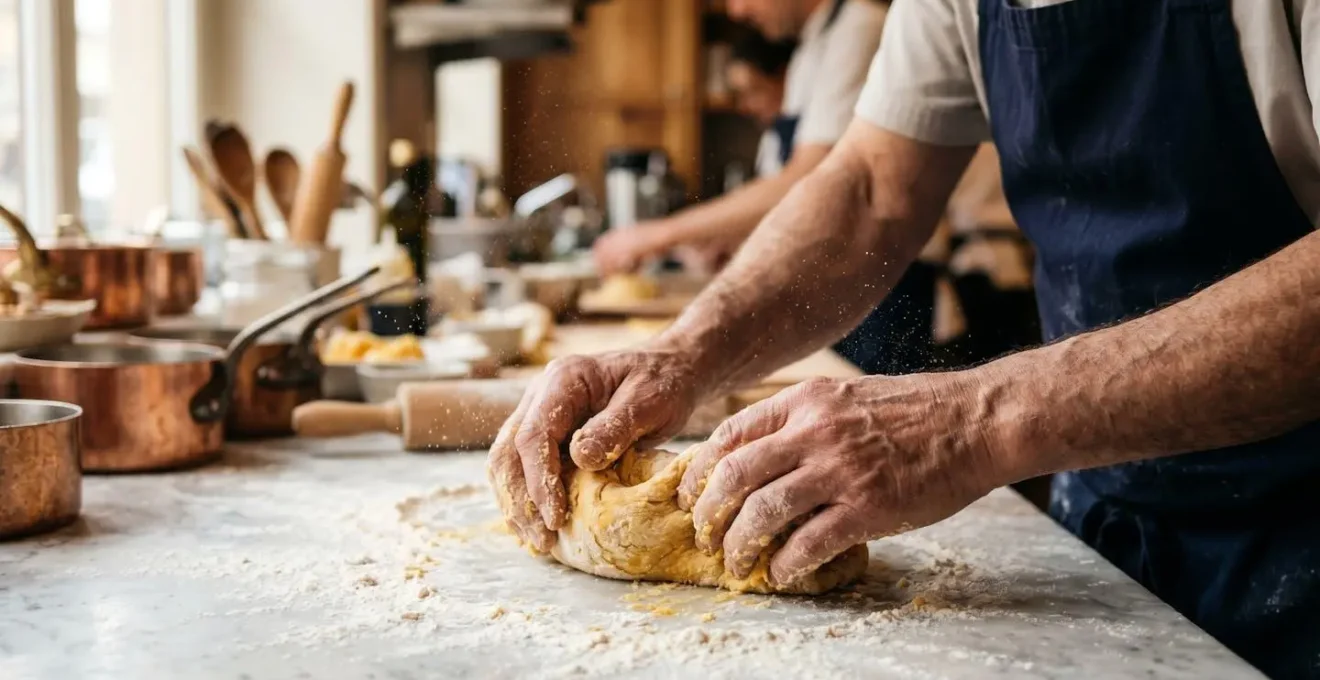
The cost difference is not just about raw materials; it’s about the skilled labor required to transform them. Hand-pulled noodles, hand-pleated dumplings, and meticulously butchered cuts of meat require time and expertise—both of which are expensive. This breakdown between a budget operation and an authentic one is stark, as a comparative analysis of restaurant cost structures reveals.
| Cost Component | Authentic Restaurant | Budget Operation | Impact on Quality |
|---|---|---|---|
| Protein Ingredients | 30-50% of plate cost | 15-25% of plate cost | Premium cuts vs. processed meats |
| Produce & Vegetables | 15-25% (seasonal, local) | 8-12% (frozen, imported) | Freshness and flavor complexity |
| Labor-Intensive Prep | Hand-pulled noodles: 5 min/portion Hand-pleated dumplings: 30 sec/piece |
Pre-made, frozen products | Craftsmanship vs. mass production |
| Total Food Cost | 28-35% of revenue | 18-25% of revenue | Quality sustainability |
| Specialty Ingredients | D.O.P. certified imports | Domestic substitutes | Authenticity and provenance |
When you encounter a dish that seems “expensive,” do not immediately dismiss it. Instead, deconstruct it. Ask yourself: what does its price tell me about the ingredients, the labor, and the technique involved? More often than not, the price is not an inflation, but an honest declaration of quality.
The Best Basement Dumpling Shops in Chinatown Only Locals Know
Chinatown presents a unique challenge. The density of options is overwhelming, and the line between authentic and tourist-oriented is often blurred. Here, the most reliable signals of authenticity are often counter-intuitive. You must learn to look past the polished facades and seek out the establishments that prioritize product over presentation. The best dumpling shops are frequently found in basements or nondescript storefronts, their windows fogged with the steam of constant, high-volume production. This is your first clue: steam is a beacon of freshness.
Service is another critical metric. The “cash only, no smile” transaction is not a sign of rudeness; it is a sign of efficiency and confidence. These establishments are not in the business of hospitality; they are in the business of making superlative dumplings. Their reputation is built on the quality of their product, and they know that the discerning customer will return regardless of the amenities. The ultimate arbiters of quality, however, are the neighborhood grandmas. Where you see elderly Chinese women buying large bags of frozen dumplings to take home, you have found a seal of approval more reliable than any Michelin star.
To find these hidden gems, you must adopt an ethnographer’s mindset and pay attention to these insider signals:
- Look for the ‘cash only, no smile’ metric: The best spots are purely transactional with brusque service and focus on speed, indicating the product quality speaks for itself.
- Watch for the steam cloud beacon: Windows of top dumpling shops are completely fogged with steam, proving constant high-volume production and fresh turnover.
- Follow the grandmas: Observe where elderly Chinese women buy large frozen bags of dumplings to take home—their decades of experience make them the most reliable reviewers.
- Check for fresh, classic dim sum: Even in larger venues, the focus should be on traditional offerings made fresh, signaling a commitment to craft.
This principle of community trust extends even to larger, more established places. As culinary experts on the platform World of Mouth attest, authenticity is about consistency and a relationship with the community.
According to culinary experts featured on World of Mouth, Jing Fong represents one of the best dim sum places anywhere, offering fresh, classic dishes with a few surprise items. The restaurant draws people in with its welcoming atmosphere and provides a comfortable place to enjoy a meal, emphasizing that authenticity isn’t about fancy decor but about consistent quality and community trust.
– Culinary Expert on Authentic Dim Sum Experience, World of Mouth
The 5 Dishes You Must Try Before You Get Full (and What to Skip)
Once you have identified a potentially authentic establishment, the next challenge is to navigate the menu with strategic precision. A menu is a map of a restaurant’s identity, and your ordering choices will determine whether you experience its true heartland or merely its tourist-friendly periphery. The most common mistake is to ask, “What’s popular?” This question invites an answer tailored for an unadventurous palate. A far more effective question is, “What is the staff’s favorite?” or “What does the chef eat on their day off?” This signals your desire for the uncompromised, the genuine, the cultural soul of the cuisine.
An even more powerful strategy is to seek out the “ugly delicious”—dishes that have not been aesthetically engineered for Instagram or toned down for Western tastes. Look for items featuring offal (tripe, tongue, kidney), fermented ingredients, or intensely bitter or spicy flavors. The presence of these dishes on a menu is a strong indicator of authenticity; their survival means there is a dedicated clientele that demands them. These are the dishes that tell the truest story of a cuisine.
A strategic ordering framework is your best defense against a wasted meal. By following a few key principles, you can cut through the noise and zero in on the dishes that matter:
- Apply the ‘Ugly Delicious’ rule: Prioritize dishes featuring offal (tripe, tongue), fermented ingredients, or bitter flavors—these traditional items haven’t been ‘dumbed down’ for tourists.
- Reframe your server question: Don’t ask ‘What’s popular?’ (tourist answer). Instead ask ‘What’s the staff favorite?’ or ‘What does the chef eat on their day off?’
- Follow the one-dish wonder principle: If a restaurant is legendary for a single item, order only that—their entire reputation is built on it.
- Skip generic anglicized names: Avoid anything that sounds watered down for Western palates without specific cultural or regional identifiers.
- Trust the colossal pastrami benchmark: At Katz’s Delicatessen, the signature pastrami on rye has been hailed as one of the city’s best for over a century, representing a quintessential authentic experience.
Where to Buy Fresh Mozzarella That Was Made This Morning
Nowhere is the principle of freshness as a marker of authenticity more apparent than with fresh mozzarella. What most Americans know as mozzarella is a firm, rubbery block, a low-moisture product designed for shelf stability and shredding. This is a pale imitation of the real thing: *fior di latte* or *mozzarella di bufala*, a porcelain-white, tender orb of cheese with a delicate, milky flavor, so perishable it is ideally eaten on the day it is made. The pursuit of this cheese is a micro-lesson in identifying authenticity.
A genuine Italian deli or *caseificio* (cheese shop) will make its mozzarella fresh daily, often in the morning. The evidence is unmistakable. The balls of cheese will be stored in a cloudy, milky brine—the whey from the cheese-making process—which helps maintain their moisture and flavor. They will have a soft, yielding texture and a clean, lactic aroma. If you press it lightly, it should weep a little milky liquid. This is a living food, a stark contrast to its vacuum-sealed, industrial counterpart.
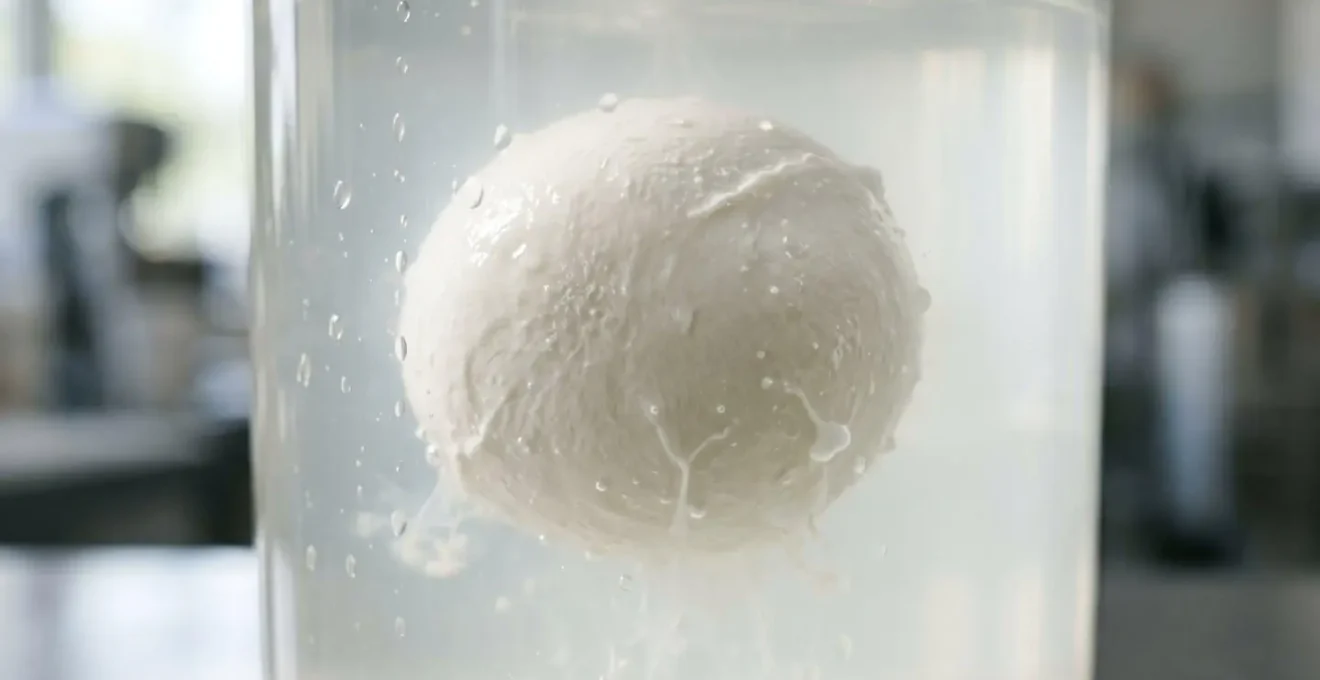
When you find a shop that sells mozzarella like this, you have found more than just good cheese. You have found an establishment that respects tradition, prioritizes quality over shelf life, and understands that some things cannot be compromised. This commitment to a single, perfect product is a powerful sign of overall authenticity. A place that takes this much care with its mozzarella is likely to apply the same rigorous standards to its prosciutto, its olive oil, and its bread.
Key Takeaways
- Authenticity is defined by verifiable provenance, unimpeachable technique, and cultural soul—not by decor or location.
- Learn to identify and dismiss “tourist trap tropes” such as generic, anglicized menus, decorative Chianti bottles, and overly effusive service.
- The higher price of authentic food is not an arbitrary markup; it is an “authenticity tax” that directly reflects the cost of superior ingredients and non-scalable craft.
5 Gastronomic Experiences in NYC That Are Actually Worth the 2-Hour Wait?
In a city obsessed with hype, a long line is often mistaken for a hallmark of quality. More often than not, it is merely a symptom of effective marketing, a trendy location, or an “Instagrammable” gimmick. The discerning diner must learn to distinguish between a wait that is a “bug”—a sign of operational inefficiency or manufactured exclusivity—and a wait that is a “feature.” The latter is a wait for something that is, by its very nature, non-scalable, un-batchable, and uncompromisingly traditional. It is a pilgrimage, not a queue.
These are the experiences worth your time. They are the barbecue joints that smoke their brisket for 18 hours, the ramen shops that simmer their broth for days, or the century-old pizzerias using a coal oven that requires constant, expert management. The wait exists because the process cannot be rushed. It is the physical manifestation of the restaurant’s commitment to technique and tradition. To wait in such a line is to show respect for the craft.
Case Study: John’s of 12th Street
At 103 years old, John’s of 12th Street exemplifies a hidden gem where any wait is justified by singular authenticity. As featured by Food Network, its reputation is built on dishes that cannot be easily replicated. The Marsala wine in their all-veal meatballs provides a signature sweet and savory profile, while their Tuscan Ragu over homemade pappardelle is a testament to slow-cooked tradition. The wait here is not for a fleeting trend but for a taste of culinary history that cannot be scaled or hurried, distinguishing it from venues where the line is the main attraction.
This is the ultimate test. When you see a line, do not simply join it. Analyze it. Is it a line for a rainbow-colored bagel, or is it a line for a pie from a coal-fired oven that has been in continuous operation since 1929? The former is a line for a novelty. The latter is a line for an artifact. As the Food Network’s editorial team puts it, some things are just self-evidently legitimate.
When New Yorkers and Italians call it the best pizza they’ve ever had, it has to be legit.
– Food Network editorial team, Diners, Drive-Ins and Dives New York restaurant list
You are now equipped with the critic’s framework. On your next meal out, do not be a passive consumer; be an active investigator. Scrutinize the menu, question the ingredients, and demand the integrity you now know how to recognize. The truly authentic meals are out there, waiting for the diner discerning enough to find them.