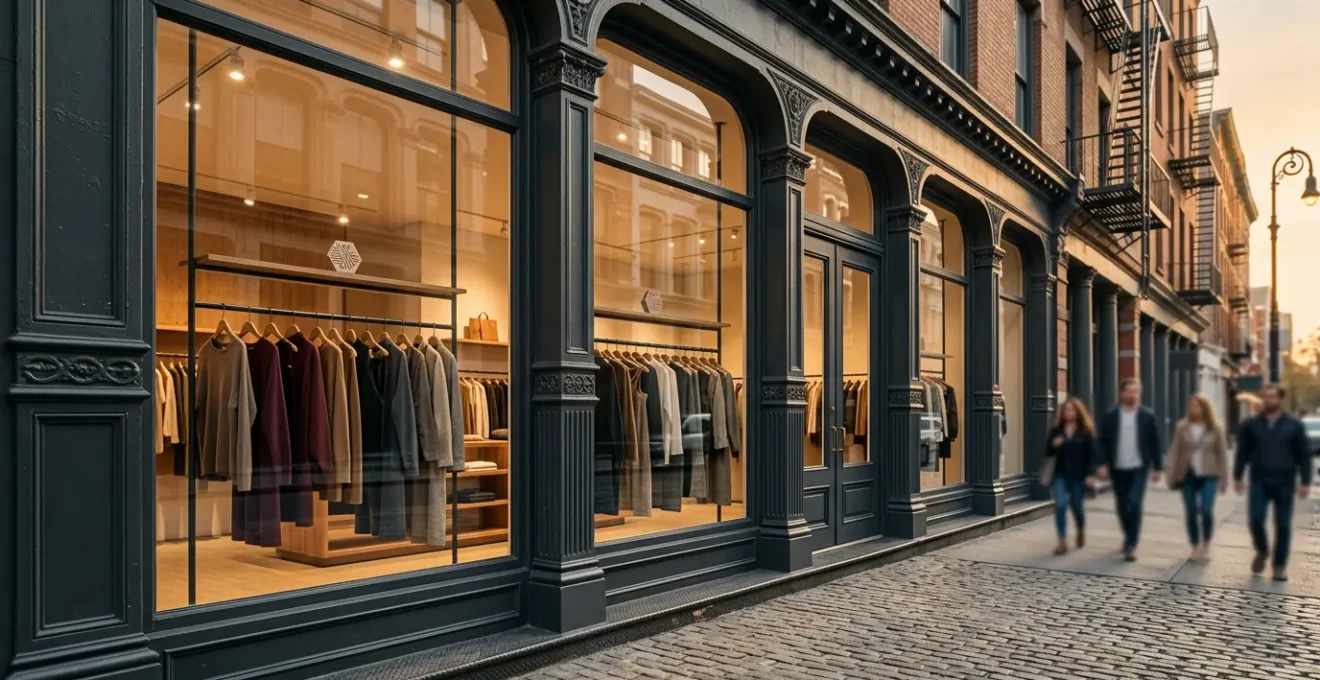
The secret to conquering SoHo sample sales isn’t just spotting fakes—it’s mastering the hidden rules of quality, timing, and your non-negotiable consumer rights.
- Legitimate brands operate on a predictable retail calendar that dictates when real markdowns happen.
- The difference between boutique and outlet quality is often hidden in the hardware; learning to “read” a zipper is critical.
- “Final sale” does not void your right to a refund for a defective product under New York’s implied warranty law.
Recommendation: Stop looking for obvious fakes and start performing hardware forensics on zippers and metalwork—it’s the fastest way to assess true structural integrity.
The thrill of SoHo shopping is undeniable. The cobblestone streets, the impeccable storefronts, and the siren song of a sample sale sign promising 70% off. For the fashion-conscious, it’s a treasure hunt. But it’s also a minefield. Everyone tells you to “check the stitching” or “look for fake logos,” but that’s surface-level advice for amateurs. In a market flooded with sophisticated counterfeits and, more commonly, made-for-outlet goods masquerading as high-end stock, you need a sharper, more protective strategy. This isn’t just about avoiding a knockoff; it’s about ensuring the “deal” you get is a true investment in quality.
What if the real key wasn’t spotting bad logos, but understanding the industry’s secret calendar? What if you could feel the difference between boutique quality and outlet filler with your fingertips? This guide moves beyond the obvious. It’s a stylist’s inside track on the structural tells of true luxury, the legal shield you have even when a tag says “final sale,” and the authentic sources of information that insiders use. We will deconstruct the tactics used in SoHo’s gray market and arm you with the forensic skills to shop smartly, safely, and with absolute confidence.
This article provides a complete playbook, from decoding brand pricing strategies to navigating the practical realities of a day spent hunting for bargains in Manhattan. Explore the sections below to arm yourself with the knowledge of a seasoned personal stylist.
Summary: A Stylist’s Playbook for Navigating SoHo Deals and NYC Scams
- The Secret Calendar: When Do Brands Actually Drop Their Prices?
- How to Feel the Difference Between Outlet Quality and Boutique Quality
- The “Final Sale” Trap: What Rights Do You Have If the Zipper Breaks?
- Who to Follow for Honest Reviews of SoHo Pop-Ups
- Where to Find a Bathroom and Espresso in SoHo Without Buying a Handbag
- The Times Square Costume Character Scam: How to Avoid Losing $20
- Where to Eat Lunch in Midtown Under $15 That Isn’t a Chain
- How to Survive the Midtown Manhattan Commute Without Losing Your Sanity?
The Secret Calendar: When Do Brands Actually Drop Their Prices?
The most significant markdowns aren’t random; they are dictated by a rigid internal clock. Most major apparel brands operate on a system known as the retail cadence, designed to clear out seasonal inventory before the next collection arrives. Forgetting this is how you overpay. The most common structure is the 4-5-4 calendar, which organizes the year into predictable quarters. Understanding this rhythm tells you when a sale is a genuine end-of-season clearance versus a marketing gimmick to move lower-quality stock.
The process starts months in advance with the wholesale calendar. Brands plan everything from “sell-in periods” for retail partners to manufacturing cut-off dates and delivery windows. A legitimate sample sale is often a direct consequence of this cycle: overproduction, canceled wholesale orders, or the need to clear showroom samples. These sales typically happen at the end of a selling season (e.g., late July for Spring/Summer, late January for Fall/Winter). A “sample sale” in the middle of a peak season should raise immediate suspicion.
This system is complex. According to the National Retail Federation’s retail calendar system, the 52-week structure sometimes requires a 53rd week to realign with the Gregorian calendar, affecting markdown timing. For a shopper, this means that the deepest, most authentic discounts are tied to this corporate schedule, not a flashy sign in a window. If a pop-up’s timeline feels out of sync with this industry flow, it’s likely selling merchandise produced specifically for discount channels, not true boutique overstock.
Therefore, your first line of defense is a calendar. Track the major fashion seasons and be skeptical of sales that don’t align with these transitional periods. True bargains follow a schedule; scams rely on impulse.
How to Feel the Difference Between Outlet Quality and Boutique Quality
Forget the logo and focus on the hardware. The fastest way to gauge an item’s true pedigree is by examining its metal components. Zippers, clasps, and studs are expensive to produce well and are often the first place costs are cut for made-for-outlet lines. This is where you conduct hardware forensics. High-end brands almost exclusively use zippers from a few top-tier manufacturers like Riri, Lampo, and sometimes YKK’s premium Excella line. A generic, unbranded zipper is an immediate red flag.
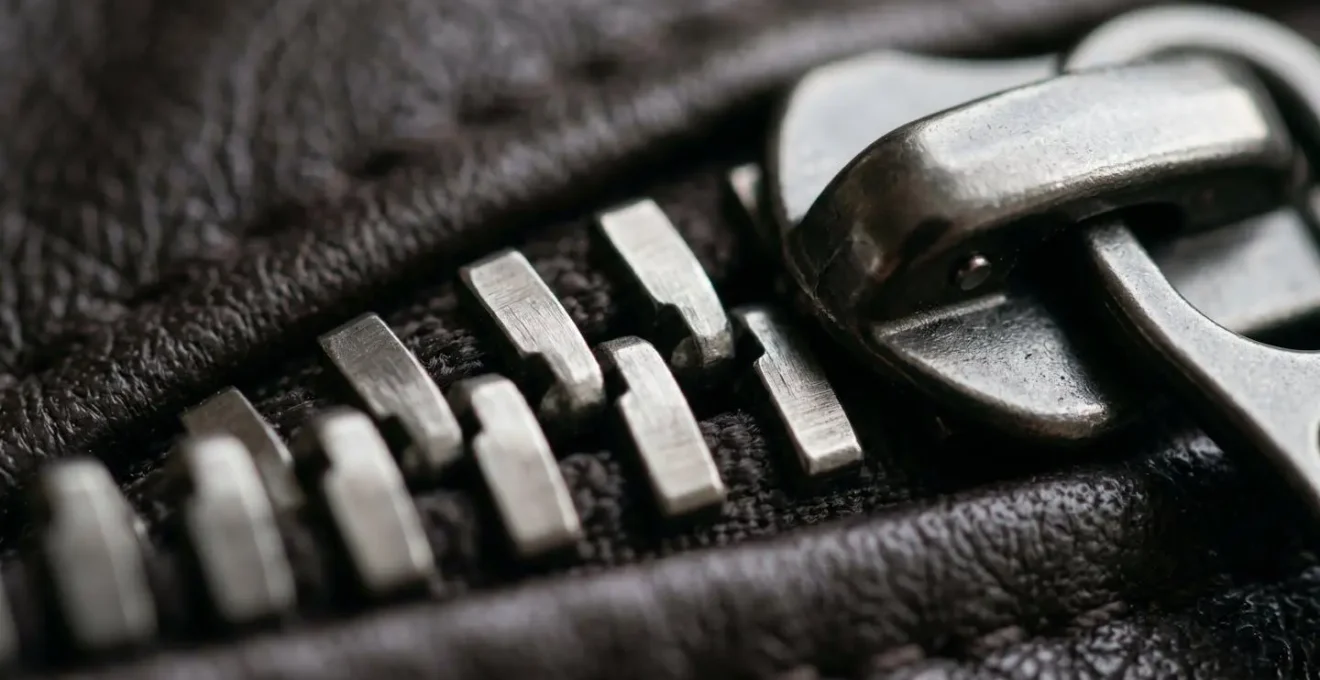
As this image highlights, the beauty is in the micro-details. Boutique-quality hardware has a tangible weight and a flawless finish. Run your finger over the zipper teeth; they should be smooth and individually polished, not sharp or jagged. The slider should move with a satisfying, buttery smoothness, not a tinny rasp. These details indicate structural integrity, something that cannot be easily faked and is rarely present in lower-tier goods. A zipper from a premium brand like Lampo, for example, will have a clearly and deeply engraved logo, often with a registered trademark symbol.
Beyond the brand, look for the quality of the finish. Is the metal plated or solid? Plated hardware often feels lighter and may show tiny bubbles or imperfections. Check the color consistency. Is it a rich, even tone, or does it look slightly brassy or cheap? A well-made handbag or jacket is an ecosystem of quality parts. If the zipper feels flimsy, it’s a sign that compromises were made elsewhere, regardless of what the tag says. This tactile inspection is your most reliable tool.
Ultimately, your hands are your best authentication tool. If the hardware feels light, sounds tinny, or looks imperfect, trust your instinct and walk away. That’s the difference between a steal and a subpar product in a fancy wrapper.
The “Final Sale” Trap: What Rights Do You Have If the Zipper Breaks?
The “FINAL SALE” sign is one of the most intimidating tactics in retail. It’s designed to make you feel that you assume all risk. But in New York, that sign does not give a seller a free pass to sell you defective merchandise. Your primary shield is a powerful legal concept called the implied warranty of merchantability. In simple terms, this means that any item sold by a merchant must be fit for its ordinary purpose. A handbag with a broken zipper is not fit for its purpose. A coat with a faulty seam is not fit for its purpose.
This is not just a general principle; it is enshrined in law. As the New York State Legislature clearly states in its commercial code, this warranty is automatic unless it is explicitly and correctly disclaimed. The New York Uniform Commercial Code is your ally here, confirming that a warranty of merchantability is implied in a sales contract if the seller is a merchant of those goods. A “final sale” policy generally covers buyer’s remorse (e.g., you changed your mind about the color), but it does not typically override your right to receive a functional, non-defective product.
Knowing this is your leverage. If you buy a sample sale item and discover a defect—a zipper that splits, a strap that breaks—you are not powerless. You have a right to a remedy, which could be a repair, replacement, or refund. The key is to act promptly and professionally. Document the defect immediately with clear photos and contact the seller in writing, calmly stating that the item breaches the implied warranty of merchantability.
Your Action Plan: Challenging a Defective “Final Sale” Item
- Read the written warranty first: The specific terms are essential, as they define the scope of your rights and the seller’s obligations.
- Contact the warrantor: Formally notify the seller or manufacturer in writing, preferably via certified mail, and keep copies of all communication.
- Document the defect: Take clear photos and videos of the problem. Create a timeline detailing the purchase date and when you discovered the issue.
- Provide reasonable notice: The law requires you to inform the seller of the breach within a reasonable time. Do not wait weeks or months.
- File a complaint: If the seller is unresponsive, file a formal complaint with the NYS Division of Consumer Protection, which can mediate the dispute.
Do not be intimidated by a “final sale” sticker. If a product is faulty, you have legal recourse. The warranty of merchantability is your silent, powerful partner in every transaction.
Who to Follow for Honest Reviews of SoHo Pop-Ups
In the age of sponsored content, finding an honest review of a sample sale is nearly impossible. Influencers are often paid or gifted, making their “hauls” little more than polished advertisements. The hype can be manufactured, leading you to a “sale” that’s nothing but a room full of picked-over, low-quality inventory. To get the real story, you need to bypass the polished feeds and tap into the world of unofficial watchdog communities.
The most reliable, unfiltered intelligence comes from anonymous, community-driven platforms. Subreddits like r/NYCinfluencersnark and other “snark” forums have become essential resources. While the tone can be critical, their purpose is rooted in consumer protection. Users share real-time experiences from sales: photos of the actual inventory (not the staged PR shots), notes on line length, and, most importantly, honest assessments of whether the quality and pricing are worth the trip. This is ground-level, crowd-sourced journalism that traditional media can’t match.
Case Study: Reddit as a Consumer Watchdog
Journalist Kat Tenbarge’s analysis for the Columbia Journalism Review highlighted how Reddit snark communities serve as a vital check in an unregulated influencer economy. These forums act as frontline consumer protectors, documenting instances of deceptive marketing and false product claims. For example, users exposed influencers who were obscuring legally-required #ad disclosures or making impossible claims about product results. According to the report on these influencer watchdog communities, they fill a critical gap where there are virtually “zero checks and balances,” providing the kind of raw, unfiltered feedback a savvy shopper needs before heading to a hyped-up SoHo pop-up.

These communities function like a digital coffee shop where real people share genuine tips. Finding them is simple: search for the name of the brand or sale on Reddit or TikTok, but add terms like “review,” “scam,” or “worth it.” Look for video comments or forum threads where the sentiment is conversational and critical, not just breathless praise. This is where you’ll find out if the sizes are limited, if the best stuff was gone in the first hour, or if the quality is truly boutique-level.
Trust the collective over the curated. The best intel on SoHo sales doesn’t come from a glossy magazine or a paid influencer, but from the candid, sometimes brutal honesty of a community of fellow shoppers.
Where to Find a Bathroom and Espresso in SoHo Without Buying a Handbag
A successful day of sample sale hunting is a marathon, not a sprint. It requires stamina, which in turn requires two key resources: caffeine and a clean bathroom. SoHo boutiques are notoriously stingy with their facilities, reserving them for high-spending clients. Asking to use the restroom in a luxury store where you don’t intend to buy anything is a quick way to get a cold shoulder. You need a strategy for your pit stops.
Avoid the obvious chain coffee shops on Broadway, which are always crowded with long lines for both the counter and the bathroom. Your best bets are the neighborhood’s “third spaces”—places that are public-facing but not purely transactional. The lobbies of boutique hotels are an excellent option. The Crosby Street Hotel or the SoHo Grand Hotel have elegant, clean restrooms in their lobby areas that are generally accessible to non-guests who enter with confidence. Simply walk in like you belong there.
For a combined espresso and bathroom break, seek out the larger, more relaxed cafes that have a more public-friendly model. The Housing Works Bookstore Cafe on Crosby Street is a beloved neighborhood institution with public restrooms and great coffee, plus your purchase supports a fantastic cause. Another solid choice is the spacious cafe inside the Showfields concept store on Bond Street, which is designed for browsing and lingering. These locations provide a necessary refuge to recharge, check your phone for intel on the next sale, and plan your attack without the pressure of a salesperson watching you.
A smart shopper is a prepared shopper. Having a mental map of these oases will save you time and stress, allowing you to focus your energy on what matters: finding that perfect piece at a perfect price.
The Times Square Costume Character Scam: How to Avoid Losing $20
Now that you’ve mastered SoHo, a stylist’s eye for detail must extend to all of Manhattan’s challenges. One of the most common tourist traps lies in Times Square: the costumed characters. While a photo with a slightly-off Elmo or a menacing Batman might seem like a fun New York moment, it’s a well-oiled machine for extracting cash. These are not city employees; they are independent operators, and their goal is to pressure you into paying for a photo.
The scam is simple. They will be friendly and beckon you or your children over for a picture. Once the photo is taken on your phone, they—often joined by a few of their “colleagues”—will become aggressive and demand a “tip.” They will often suggest a price of $10 or $20 per character in the photo. Refusing to pay can lead to an uncomfortable and intimidating confrontation. The characters will often follow you, shouting and making a scene until you give in.
Your best defense is avoidance. Do not engage. Do not make eye contact. If you are walking with children, hold their hands and steer them firmly away. Explain beforehand that these are not the “real” characters and that you won’t be taking photos. If you are cornered, the official advice from the NYPD is to find a police officer. However, the most practical solution is to simply keep walking. Their business model relies on high-pressure tactics and a quick turnover. If you refuse to stop, they will almost always move on to an easier target.
A true New York savvy shopper knows that the most valuable things—like a great photo memory—don’t need to come with a $20 price tag and a dose of intimidation.
Where to Eat Lunch in Midtown Under $15 That Isn’t a Chain
Midtown is a sea of overpriced, underwhelming chain restaurants. As a discerning shopper, your palate deserves better—and your wallet doesn’t need to suffer. Finding a delicious, independent lunch for under $15 requires looking just off the main avenues. The key is to find the spots that cater to office workers, not tourists. These are often located on the side streets or inside building lobbies.
One of the city’s best-kept secrets is the “by-the-pound” buffet, and not the sad, wilted kind. Places like Blue Dog Cookhouse & Bar (in its cafe section) or smaller, unnamed delis on the cross streets between 5th and 7th Avenues offer vast arrays of fresh hot and cold options. You control the portion and the price, making it easy to build a satisfying and varied meal for around $12-15. This is far superior to a pre-made sandwich from a massive chain.
For a more focused option, explore the food carts and trucks with long lines of locals. The Halal Guys’ original cart on 53rd and 6th is legendary for a reason, but countless other vendors serve up everything from delicious momos (Himalayan dumplings) to Korean BBQ. Another fantastic strategy is to find an authentic slice shop. A classic New York slice is one of the city’s great culinary bargains. Places like Joe’s Pizza or Upside Pizza offer world-class slices for under $5, allowing you to have a two-slice-and-a-drink lunch for well under your budget. These spots offer genuine New York flavor without the corporate aftertaste.
Eating well in Midtown on a budget is a statement. It proves you have the insider knowledge to look past the tourist traps and find the authentic, quality experiences the city has to offer.
Key Takeaways
- True luxury deals follow a predictable retail calendar; off-cycle “sales” are a major red flag.
- Examine the hardware—zippers, clasps, and studs—as the most reliable indicator of boutique vs. outlet quality.
- “Final Sale” does not void your legal rights in New York if an item is defective, thanks to the implied warranty of merchantability.
How to Survive the Midtown Manhattan Commute Without Losing Your Sanity?
The final test of a true New Yorker’s mettle is not finding a designer bargain, but surviving the daily commute. The chaos of a Midtown rush hour can undo all the Zen from a successful shopping trip. Surviving it requires a stylist’s approach: a combination of strategic planning, situational awareness, and the right accessories. Thinking of your commute as a strategic challenge, rather than a daily punishment, is the first step to mastering it.
First, timing is everything, just as it is with sales. If you have any flexibility, shifting your travel time by even 20 minutes can make a world of difference. The absolute peak of the rush is between 8:30-9:15 AM and 5:30-6:15 PM. Traveling just before or after these windows can significantly reduce crowd density. Use an app with real-time train tracking (like the MyMTA app) to avoid waiting on a crowded platform for a delayed train. If a station is mobbed, it’s often faster to walk one stop up or down the line to a less congested station.
Second, curate your “commute uniform.” This is about efficiency and defense. Noise-canceling headphones are non-negotiable. They create a personal bubble of sanity amidst the chaos. A backpack or a crossbody bag is far superior to a shoulder bag or handheld tote, as it keeps your hands free and your profile slim, making it easier to navigate crowds without bumping into people. Always stand away from the doors on the subway platform to let people exit before you board. This simple act of courtesy is also a strategic move that prevents you from getting caught in the most aggressive part of the crowd.
Apply the same sharp, protective mindset you use for shopping to your commute. By optimizing your timing, gear, and movement, you transform a stressful ordeal into a manageable—and survivable—part of your New York life. Now you are ready to navigate the city like a true insider.